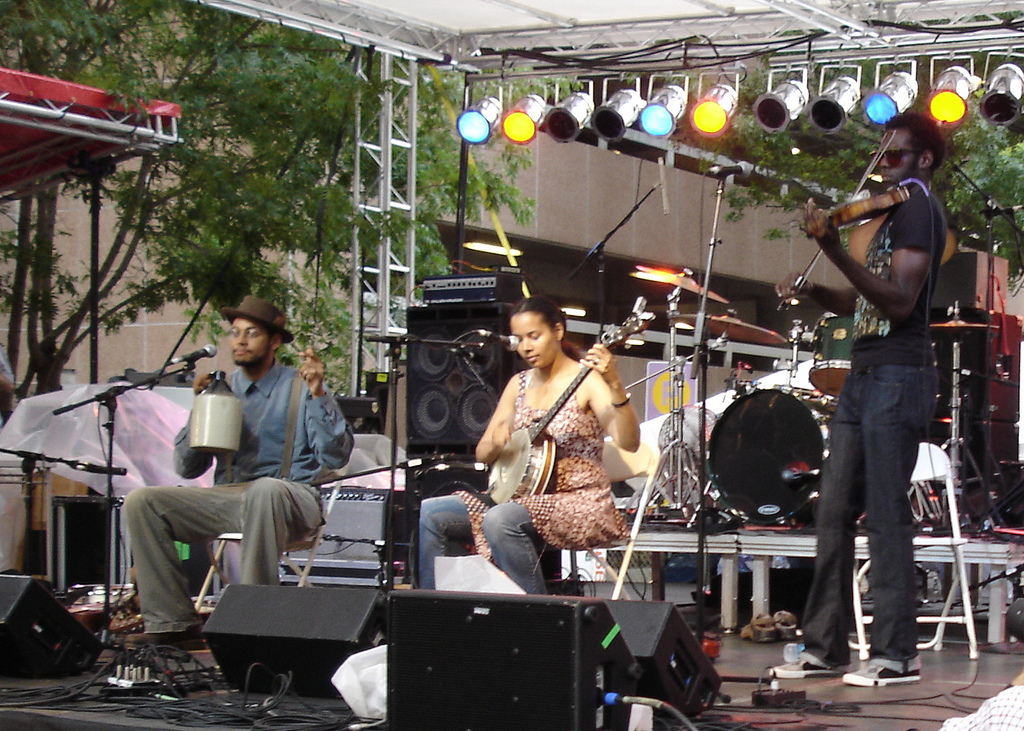
Folk music in Cincinnati works best when the story feels close enough to touch. A song can be three chords and a good memory, sure… but the part people keep coming back for is the human detail. Who lost the boat, who left town, who came back with a new accent, who still knows the chorus. That is where folk music gets interesting: it carries a story, then hands it to the next room.
This is a city that understands layers. Cincinnati’s folk scene pulls from river life, Appalachian migration, church singing, neighborhood gatherings, campus coffeehouses, and the kind of volunteer effort that quietly keeps a scene alive while everyone else is arguing about setlists. If you want a quick outside frame for what folk music is doing in general, the Library of Congress American Folklife Center and Britannica’s overview of folk music are both useful starting points. For more on this site and its mission, see About Cincinnati Folk Life.
What Storytelling Adds to Folk Music
Folk music is not just music with lyrics. It is often music where the lyrics do a little extra work. They introduce a place, a character, a turning point, or a joke that lands better after the third line than it did after the first. The storytelling piece is what gives the song memory. Without it, a tune can be lovely and still float away from you by the time you reach the parking lot.
In Cincinnati, storytelling shows up in several ways. Some songs lean on family history. Some borrow from labor, travel, or river life. Some sound like neighborhood gossip that accidentally became poetry. That range matters because the city itself is a mix of traditions rather than one neat musical lane. When local musicians sing about place, leaving, returning, or trying to make a life in an in-between city, listeners usually recognize the feeling even if they do not know the exact street address.
One reason this works so well is that folk music does not need a complicated explanation to feel true. A simple narrative can hit harder than a clever one. If you want a local reference point for where this spirit keeps showing up live, the Cincinnati Folk Life homepage and the community calendar traditions around the city show how performance and memory stay tied together.
Examples from Local Musicians
Cincinnati has a habit of producing musicians who understand that a song is often only half the performance. The other half is how they frame it, pause before it, or explain why they wrote it in the first place. Here are a few local or locally connected examples that make the point without turning the whole thing into a dry lecture… nobody needs that before lunch.
Wild Carrot
Wild Carrot is a useful example because their performances often carry the feel of a shared room rather than a distant stage. Their fiddle-driven work and community presence make the songs feel lived-in. The storytelling does not always arrive as a formal speech between numbers. Sometimes it is in the way a tune unfolds, like somebody opening the cupboard and finding three generations of weathered stories inside. Their presence in the local scene is a reminder that folk music can be energetic and still deeply personal.
For a broader background on the kind of roots traditions that feed this style, the Wikipedia overview of folk music is a decent high-level map, though the local scene always ends up being messier and more interesting than any single definition.
Carolina Chocolate Drops
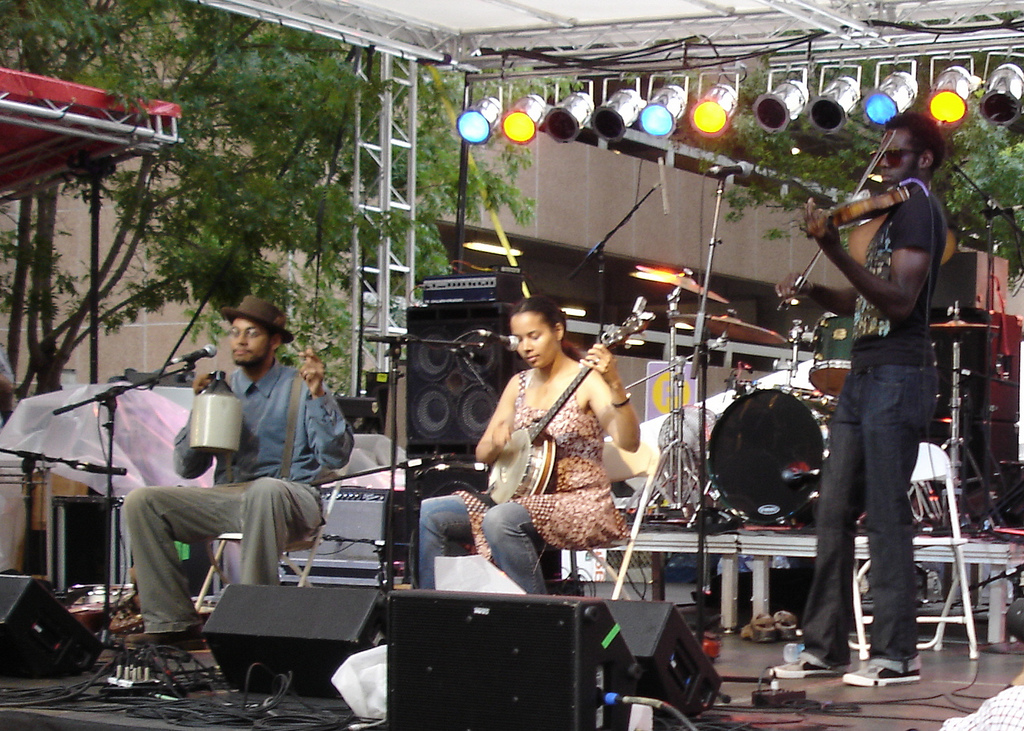
While not Cincinnati-based, the Carolina Chocolate Drops have performed in Cincinnati and remain a helpful example of how storytelling can carry both historical memory and stage presence. Their music often blends traditional material with clear, human delivery. That combination matters because folk songs are not just preserved by archive shelves; they are preserved by people who make the audience care what happens next.
Local open mic performers and small-room songwriters
One of the strongest storytelling engines in Cincinnati is the open mic and small-venue circuit. The city has plenty of musicians whose names may not make headlines but whose songs make a room go quiet in exactly the right way. That is not a small thing. In a good set, you can hear someone turning a personal detail into something universal: a moved-out apartment, a stubborn parent, a long bus ride, a job that got weird, a summer that went on too long. Tiny chaos, very relatable.
Searches for local sets and event listings often turn up performances at community spaces, neighborhood bars, and folk-friendly gatherings. The key point is not one famous quote or one perfect lyric. It is the pattern: Cincinnati musicians keep using story as a bridge between the personal and the public.

Why Storytelling Matters So Much
Storytelling matters in folk music because it gives the audience something to carry home besides a melody. A tune can stick in your head, but a good story sticks in your body. You remember where you were when you heard it. You remember the line that made the room laugh or go still. You remember the weird little detail about a train, a riverbank, or a family rule that somehow became the emotional center of the song.
It also helps preserve culture. Folk music often acts like a memory archive for everyday life, especially for people whose stories do not always get preserved in formal history books. That can include work, migration, faith, neighborhood change, and family traditions passed around the table rather than in a textbook. If you want a deeper sense of how folklife gets documented, the Library of Congress materials on folk and traditional culture are a good reminder that living traditions are always bigger than one genre label.
In Cincinnati, this matters because the city has never been a one-note place. It is a river city with layers of movement and exchange. Stories in the music help explain how people arrived, stayed, adapted, and made community. That is part of why the local folk scene feels so connected to place. The songs are not just about Cincinnati. They are made out of Cincinnati.
How to Craft Your Own Folk Tales
If you want to write your own folk-style song or story, do not start by trying to sound ancient and mysterious. That usually produces something that feels like a costume party for a genre. Start with something real. Folk tales work best when they come from ordinary experience and then get shaped into something memorable.
1. Pick one human moment
Choose a single event: missing a train, hearing a family argument through a wall, finding an old ticket stub, walking home in the rain, or saying goodbye without knowing it was the last time. Keep it concrete. The details are the engine.
2. Decide what changed
Every good folk tale has a shift. Someone learns something, loses something, leaves, returns, or realizes the truth too late. If nothing changes, the story may still be nice, but it will feel more like scenery than song.
3. Use plain language first
Write the story in simple sentences before you dress it up. If the plain version already works, you are in good shape. If it does not, adding another metaphor will not rescue it. That is just how the comma goblin wins.
4. Keep the chorus or refrain memorable
A folk tale often needs something the listener can hold onto. That might be a repeated line, a short phrase, or a return to the same image. Repetition is not laziness here. It is structure. The best refrains feel inevitable by the second time they come around.
5. Leave room for listeners to join in
Folk music works because it invites participation. Even a quiet song can leave space for the audience to complete the feeling. You do not have to explain every detail. In fact, leaving one corner of the story open can make it more powerful.
| If you want… | Try this | Why it helps |
|---|---|---|
| Emotional depth | Use one specific memory | Specific details feel believable and lived-in |
| A stronger chorus | Repeat one short line | Listeners remember what returns |
| More community feel | Write about a shared place or experience | People recognize themselves in the story |
| A better live performance | Introduce the song with one sentence | Gives the audience a doorway into the piece |
If you are looking for a useful songwriting reference outside the local scene, The Bluegrass Situation regularly covers roots and Americana artists in ways that can spark ideas without flattening the genre into one box.
Cincinnati’s Folk Culture Gives The Stories A Home
The storytelling tradition does not live in isolation. It is supported by the city’s wider folk culture: concerts, memberships, public gatherings, and the steady habit of showing up for live music. That community piece is important because stories need listeners. A song written in a vacuum is just a diary entry with a melody on it. A song sung in a room becomes something else entirely.
That is why places like the blog archive matter too. Articles, event coverage, and artist profiles help connect the dots between performances and traditions. They give readers a path from one musician to the next, one show to the next, one memory to the next. Folk music loves that kind of continuity.
So if you find yourself at a Cincinnati folk set and the performer starts talking before the first chord, lean in. They are not wasting time. They are building the story frame that lets the song land properly. In folk music, that little intro is often the difference between “nice tune” and “oh, I needed that.”
Conclusion
Storytelling is not a bonus feature in Cincinnati’s folk music tradition. It is one of the things that keeps the tradition alive. The city has given folk music a strong home through local musicians, community venues, open mics, festivals, and the simple habit of listening closely to ordinary lives.
Whether the song comes from a seasoned local performer or a newcomer at a small open mic, the same thing tends to matter most: the story feels real. That is the heart of it. Not fancy. Not overcooked. Just honest enough to stick.
If you want to keep exploring, start with a local show, follow a Cincinnati musician whose songwriting makes you curious, or browse more posts on the blog. Folk music rewards the patient listener. It usually has one more verse hiding around the corner.
Key takeaways:
- Storytelling gives folk music emotional weight and makes songs easier to remember.
- Cincinnati musicians often draw on family life, neighborhoods, migration, and local experience.
- Open mics and small venues are important places where storytelling traditions stay active.
- Writing your own folk tale works best when you start with a specific moment, clear change, and a memorable refrain.
- Cincinnati’s folk scene stays vibrant because it keeps the music connected to community.