Folk music looks simple until you have to define it. One listener hears a banjo and calls it bluegrass. Another hears an old ballad and calls it traditional folk. A third hears polished harmony, electric bass, and a little mountain dust in the lyrics and calls it Americana. Those questions are not academic. They are the reason the genre keeps expanding while still sounding like it was handed down by people who had better things to do than write a brand strategy.
So what counts as folk music? Where does bluegrass end and Americana begin? Why do old-time, protest songs, Celtic revival music, and contemporary singer-songwriters keep getting sorted under the same broad roof? The Library of Congress American Folklife Center treats these traditions as living culture, not static museum pieces, and the International Bluegrass Music Association shows how a single branch of that tree can become its own durable community. That tension is the story here.
Woody Guthrie’s famous line, “This machine kills fascists,” still works as a reminder that folk music has never been only about melodies. It has also been about identity, labor, migration, memory, and who gets to speak for a community. The style changes. The job description does not.
By the end, you will have a clean map of the major folk genres, the instruments and influences that define them, and a practical way to hear the differences without turning the whole thing into a syllabus. If you want a broader site path while you read, the About Cincinnati Folk Life and Contact Us pages are there for the usual business of questions, corrections, and the occasional polite disagreement.
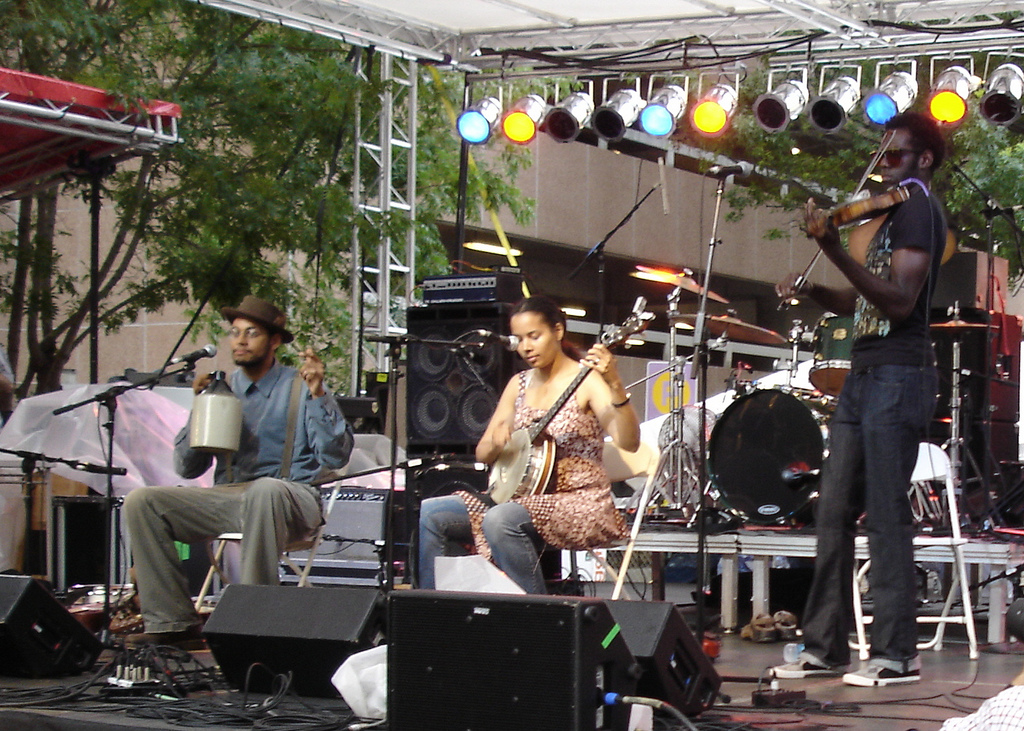
What folk music actually means
At the simplest level, folk music is music that grows out of a community rather than a commercial format. That does not mean it is always ancient, rural, acoustic, or untouched by the market. It means the music is shaped by shared experience, local tradition, and repetition across time.
The American Folklife Center collections make this plain. Folk music can include field recordings, family singalongs, protest songs, work songs, dance tunes, revival performances, and modern reinterpretations. In other words, the genre is less a single sound than a set of habits.
I keep a simple rule when people ask for a definition: if the song survives because people keep carrying it forward, it is probably folk-related. If it survives because a marketing department promised it would “resonate,” that is a different conversation. Sometimes that conversation still sells tickets, but it is not the same thing.
A quick map of the major genres
The labels below overlap on purpose. Folk music is a family of branches, not a set of walls.
| Genre | Core sound | Common instruments | Typical themes | Where to start listening |
|---|---|---|---|---|
| Traditional folk | Simple melody, direct storytelling, communal singability | Voice, guitar, fiddle, dulcimer, banjo | Work, loss, travel, love, local history | Ballads, field recordings, revival-era anthologies |
| Old-time | Dance-driven, raw, regional, often fiddle-centered | Fiddle, clawhammer banjo, guitar, bass | Fiddle tunes, front-porch gatherings, community dances | String band recordings and regional fiddle contests |
| Bluegrass | Fast picking, tight harmony, high energy, instrumental skill | Banjo, mandolin, fiddle, guitar, bass | Tradition, travel, faith, family, rural life | Bill Monroe, The Stanley Brothers, modern IBMA artists |
| Americana | Roots blend with more polished production | Guitar, pedal steel, fiddle, bass, percussion | Place, memory, roads, work, American identity | Roots-oriented singer-songwriters and cross-genre albums |
| Celtic folk | Modal melodies, dance tunes, ornamented vocals | Fiddle, flute, tin whistle, bodhrán, harp | Myth, migration, clan memory, landscape | Irish and Scottish traditional collections |
| Protest folk | Message-first songs with clear social commentary | Voice, guitar, harmonica, sometimes piano | Labor, war, civil rights, justice, politics | Woody Guthrie, Pete Seeger, Bob Dylan, modern activists |
| Indie or contemporary folk | Intimate, literate, often understated | Acoustic and electric mix, banjo, piano, strings | Interior life, family, place, self-reckoning | Modern singer-songwriters and chamber-folk records |
Traditional folk: the root system
Traditional folk is the trunk most other branches grow from. It is where songs pass from one singer to another, usually without a clean paper trail and sometimes without a named author. That can make modern listeners nervous, because we like receipts. Folk music, inconveniently, often prefers memory.
Traditional songs tend to be built around a strong melody and clear narrative. The arrangement is usually plain enough that the words can carry the meaning. That simplicity is not a limitation. It is the design.
Common themes include courtship, migration, labor, war, family disputes, sea travel, spiritual struggle, and everyday survival. If you need a short definition, traditional folk is the music of people explaining how they got through the week, only with better phrasing.
For historical context, the Library of Congress collections treat folk music as part of a larger cultural record. That matters. Songs do not float free of the people who sing them.
What to listen for
- Repetition that makes the chorus easy to learn quickly.
- Lyrics that tell a story in plain language.
- Minimal arrangement so the voice stays front and center.
- Local references, dialect, or historical detail.
Old-time: the dance floor before the spotlight
Old-time music is usually less polished than bluegrass and more rhythm-driven than many people expect. It grew from regional fiddle traditions, community dances, and the practical need to make music that kept people moving. If traditional folk is the story, old-time is the floorboards.
The main distinction is feel. Old-time tunes are often repetitive in a way that supports dancing. A fiddle carries the melody; a banjo, often in clawhammer style, locks in the pulse. Guitar and bass may fill the edges, but they rarely dominate the center.
This is one of the clearest places where a genre’s origin explains its sound. When music is designed for square dances, front porch gatherings, and social events, it does not need the same showmanship that concert music demands. It needs steadiness, lift, and enough structure that the community can enter quickly.
If you want a historical bridge, the American Folklife Center’s collections show how dance tunes, regional fiddle styles, and oral transmission all fit together. You can hear the logic: the tune is not trying to impress you. It is trying to keep the room in motion.
Origins and influences
- British and Irish fiddle traditions.
- African banjo traditions and later banjo styles.
- Regional American dance music in Appalachia and the South.
- Community-based performance rather than stage-first presentation.
Bluegrass: tradition with sharper elbows
Bluegrass is one of the easiest folk-related genres to identify and one of the easiest to oversimplify. People hear the speed, the drive, the harmony, and the banjo rolls, then assume that is the whole story. It is not.
Bluegrass came into focus in the mid-20th century, most famously through Bill Monroe and the Blue Grass Boys. The style drew from old-time string band music, gospel harmony, blues phrasing, and the instrument-centered virtuosity that audiences respond to when the room is big enough to want a performance. The IBMA Bluegrass Music Awards and the broader bluegrass community still treat the genre as a living professional field, not a museum label.
The key features are familiar: fast picking, high harmony, acoustic instruments, and a banjo that often sounds like it is trying to outrun gravity. But the music is not just speed. It is precision. Bluegrass rewards players who can play cleanly under pressure. That is why it has such a strong reputation for musicianship.
Bluegrass also matters because it shows how a folk-derived genre can become both traditional and modern at once. It honors roots, but it also rewards innovation inside a strict frame. That is a good business lesson, come to think of it, though fewer boardrooms use banjos than they should.
Influences and roots
- Old-time string bands and Appalachian music.
- Gospel quartets and close vocal harmony.
- Blues phrasing and improvisation.
- Professional stage performance and radio-era amplification.
What makes bluegrass different from old-time?
Old-time tends to feel circular and communal. Bluegrass tends to feel forward-driving and solo-friendly. In old-time, the rhythm supports the dance. In bluegrass, the rhythm supports the break. Both are acoustic, but they are built for different social jobs.
Americana: the useful umbrella
Americana is what happens when the roots are too mixed to stay in one box. The genre includes folk, country, blues, gospel, roots rock, and sometimes a little dust from whatever else the artist brought to the session. The Grammy American Roots overview and related Americana categories describe it as a broad roots family rather than a narrow style.
That broadness is both the strength and the problem. Americana is useful because it helps listeners describe music that feels rooted but not fossilized. It is frustrating because it can become a catch-all for anything with an acoustic guitar and a well-lit beard.
The best Americana artists usually do three things well: they respect traditional forms, they write with modern sensibility, and they let production breathe. The result can sound intimate without being undercooked. Think of it as folk music that learned to work a second shift.
For a strong example of the genre’s overlap with other roots traditions, Smithsonian Magazine’s profile of Rhiannon Giddens is instructive. Her work crosses folk, bluegrass, gospel, opera, and historical research without losing its center. That is what Americana often looks like when it is done carefully.
Why listeners confuse Americana and folk
Because the boundaries are porous. Americana may lean more toward polished production and contemporary songwriting, while folk leans more toward inherited forms, direct tradition, and community memory. But in practice the two overlap constantly. A song can be both, depending on arrangement, intent, and audience.
Celtic folk: migration in melody form
Celtic folk includes Irish, Scottish, Welsh, and related traditions, along with the many revival and diaspora forms that grew from them. These songs and tunes often carry a strong sense of place even when they travel far from it. Migration is one of the genre’s defining features; so is ornamentation.
Compared with some American folk traditions, Celtic styles often put more emphasis on modal melody, dance tunes, and decorative phrasing. Instruments like fiddle, tin whistle, flute, bodhrán, and harp are common. But the real signature is not any single instrument. It is the way the tune seems to lean into memory.
Celtic folk has had a long revival life in the United States, especially where immigrant communities kept old repertories alive and younger musicians later rediscovered them. If you want to understand why folk music stays relevant, look here. A tradition becomes modern every time someone decides it still belongs to them.
Origins and cultural role
- Irish and Scottish traditional repertories.
- Dance music for reels, jigs, hornpipes, and ballads.
- Diaspora communities preserving identity through song.
- Revival movements that turned local repertoire into global listening.
Protest folk: the public conscience
Protest folk is the branch of the family that refuses to stay polite. It grew when singers realized that songs could organize attention as well as entertain an audience. Labor struggles, civil rights, antiwar movements, tenant issues, and political critique all found a home here.
The formula is direct: simple chords, memorable lines, and language that can travel quickly. That is why protest folk spreads. It does not need a second hearing to understand the point. It is made to be remembered in a crowd.
Woody Guthrie, Pete Seeger, Phil Ochs, Joan Baez, Buffy Sainte-Marie, and Bob Dylan all helped shape the public idea of what a socially engaged folk song can do. The music can be angry, hopeful, satirical, mournful, or stubborn. The one thing it rarely is by accident is vague.
What gives protest folk its power
- Lyrics that name the issue plainly.
- Melodies easy enough for group singing.
- A moral frame that invites public response.
- Performance in places where people gather for a cause, not just a concert.
Contemporary folk and indie folk: the intimate present tense
Contemporary folk is where old forms meet modern introspection. Indie folk, chamber folk, and singer-songwriter traditions often borrow the spare arrangements and narrative instincts of older folk music while using more recent production tools. The result can sound private and expansive at the same time.
This is the part of folk music that many listeners meet first today. The songs may include banjo, fiddle, and acoustic guitar, but they may also include ambient textures, piano, or restrained electric instrumentation. The writing often focuses on interior life: family, grief, aging, migration, memory, climate, and the daily negotiations of being a person with too many browser tabs open.
What holds the genre together is not nostalgia. It is attention. Contemporary folk tends to care deeply about phrasing, detail, and emotional honesty. It is less interested in spectacle than in whether the song feels lived in.
Where this branch came from
- The 1960s folk revival.
- Singer-songwriter traditions from the 1970s onward.
- Alt-country, chamber pop, and experimental acoustic music.
- Streaming-era audiences that reward quiet songs with clear identity.
How these genres overlap in real life
The mistake many people make is to imagine each genre as a box. In practice, folk music behaves more like a river system. One stream feeds another. Bluegrass borrows from old-time. Americana borrows from bluegrass and country. Protest folk borrows from traditional ballad forms. Celtic revival music crosses into contemporary singer-songwriter territory. Nobody is keeping score with a clipboard.
That overlap is why folk music stays alive. A tradition that never changes becomes a display case. A tradition that changes too quickly loses its memory. Folk genres survive by staying recognizable while letting new singers bend them to current needs.
If you want a practical way to hear the difference, ask four questions:
- Is the song built for communal singing, dancing, listening, or argument?
- Do the instruments support the story, or do they take the lead?
- Does the arrangement feel inherited, revived, or newly hybridized?
- Is the emotional center a local memory, a public issue, or a personal reflection?
The answers will not always give you a neat label. They will, however, tell you what kind of folk weather you are hearing.
For site owners and archivists: organizing the mess without losing the music
If you are building a music archive, event calendar, or editorial site, the real job is not only writing about genres. It is deciding how to tag them, sequence them, and keep them searchable without flattening the nuance. In that kind of workflow, a neutral planning resource like AI consulting services can be useful for deciding where automation belongs and where a human editor should stay in charge. Folk music needs judgment more than machinery. The machinery should know its place.
Where to begin if you are new
If you are starting from zero, do not try to memorize the taxonomy first. Listen for the family resemblance.
- Start with a traditional ballad and notice the narrative style.
- Move to old-time and listen for the dance pulse.
- Move to bluegrass and hear the speed and precision.
- Move to Americana and listen for the blend of roots influences.
- Finish with contemporary folk and ask what changed in the writing.
That sequence teaches more than a glossary. It shows you how folk music keeps remaking itself without losing the old vocabulary completely. Which is, in a way, how most serious institutions survive.
Conclusion
Folk music genres are not rigid categories. They are living agreements between memory, community, and performance. Traditional folk keeps the story close to the ground. Old-time keeps the rhythm moving. Bluegrass turns tradition into virtuosic drive. Americana widens the frame. Celtic folk carries migration and melody together. Protest folk gives the music a public voice. Contemporary folk brings the whole thing into the present tense.
If you remember only one thing, make it this: the question is not which genre is “correct,” but what the song is trying to do. Once you know that, the labels stop fighting each other and start making sense.
For more about this site and its purpose, you can always return to the About Cincinnati Folk Life page or use the Contact Us page if you want to ask a question, point out an omission, or suggest a genre that deserves its own section next time. There is always another branch on the tree.
Key points
- Folk music is a living tradition, not a single sound.
- Bluegrass, old-time, Americana, protest folk, and Celtic folk overlap but do distinct jobs.
- Instruments, rhythm, and social purpose help separate the genres more than labels do.
- Modern folk keeps changing because communities keep using it.