Cincinnati’s folk scene is healthiest when it is gathered in public: on a lawn, in a park, inside a historic hall, or under a tent where the schedule matters and the weather has opinions. That is the practical shape of a folk festival here. It is part concert, part neighborhood meeting, and part test of whether you packed the right shoes.
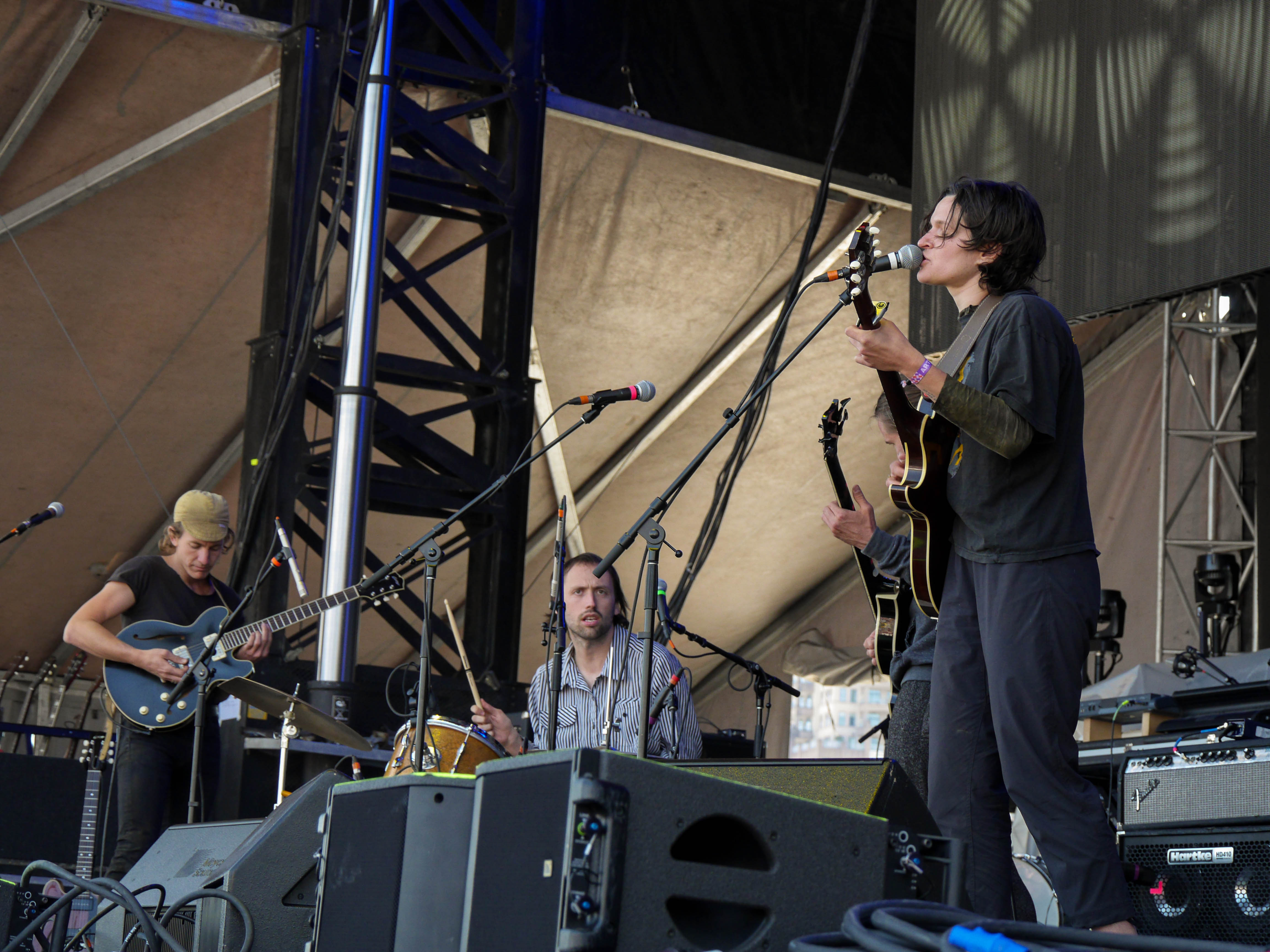
If you want a current starting point, the Visit Cincy events calendar is a reliable place to check what is actually happening this season. Folk festivals tend to move in cycles, and the dates are usually the part that changes first.
What counts as a folk festival in Cincinnati
In this city, folk festivals are usually less formal than a large commercial concert series. They often mix acoustic music, regional traditions, dance, craft vendors, family areas, and food. A good event can feel small and local without feeling thin. The music stays central, but the rest of the day gives people a reason to linger.
The broader cultural frame matters too. The National Endowment for the Arts maintains the National Folklife Network, which is a useful reminder that folk traditions survive when communities keep showing up for them. Cincinnati has always needed that kind of attendance.
Key festival formats to watch for
| Festival type | Typical setting | What you will hear | What to expect |
|---|---|---|---|
| Heritage and Celtic events | Parks, downtown plazas, or cultural venues | Fiddle, flute, bodhrán, ballads, and dance sets | Strong family attendance, food, vendor booths, and a long day outdoors |
| Park-based summer festivals | Public green space such as Washington Park or riverfront areas | Acoustic sets, local singer-songwriters, and ensemble performances | Lawn seating, informal crowds, and a schedule that can shift with weather |
| Americana and bluegrass weekends | Stages, historic halls, or neighborhood festival grounds | Banjo, guitar, harmony vocals, and roots music crossovers | Ticketed shows, workshops, and a mix of repeat attendees and first-timers |
| Community showcase events | Smaller venues and civic spaces | Local acts, guest performers, and shared stage time | Shorter sets, easier access, and a closer view of the musicians |
If the event leans toward public-space programming, it helps to understand the venue before you go. The city’s park system, including Cincinnati Parks, is often where this kind of event has room to breathe. For a historic performance backdrop, Cincinnati Music Hall and nearby arts spaces add another layer of gravity.
What to expect at the best ones
The strongest folk festivals in Cincinnati usually share the same backbone: a dependable stage, a crowd that listens, and enough side activity to keep the day moving. Expect some combination of these elements:
- Live sets that favor acoustic instruments and strong vocals.
- Dance or participatory music, especially at heritage festivals.
- Food vendors and local craft tables that make the day feel complete.
- Family-friendly programming, with children often treated as future regulars rather than afterthoughts.
- Occasional schedule drift. Festivals are friendly, not machine-timed.
For background on the tradition itself, folk music is a useful reference point. It is broad by design, which is why Cincinnati festivals can hold both old ballads and newer acoustic writing without pretending the categories are a problem.
How to plan a clean festival day
A little preparation prevents the usual failure modes: missed openings, bad parking, dead phone batteries, and the familiar moment when the weather decides it deserves a solo.
- Check the event listing the week before and again on the morning of the show.
- Arrive early if you want parking, shade, or a better view of the stage.
- Bring water, a light layer, and a portable seat if the event allows it.
- Keep some cash or a backup card available for vendors and donations.
- Review the venue rules if you are bringing kids, a camera, or a large bag.
- Have one backup plan for rain. Outdoor music rewards the prepared and punishes the optimistic.
For a practical calendar check, the Visit Cincy events calendar and the National Folklife Network are useful places to compare local listings with wider folk and heritage programming. When a festival is well run, those calendars are usually updated before the crowd starts asking the same question at the gate.
Why these festivals matter
Folk festivals keep the city’s musical memory active. They give local players a place to be heard, they make room for traditional forms that do not fit commercial radio, and they give newer listeners a low-friction way to meet the music. That is the real work: not nostalgia, but continuity.
If you want to learn more about the organization behind this site, start with the About Cincinnati Folk Life page. If you are planning an event, a performance, or a membership question, use the Contact Us page. That keeps the line open and the next step obvious.
For readers who want to support the broader scene, the safest rule is simple: show up, buy a ticket when there is one, and tell the organizers which acts made the day worth it. The festivals survive on repeat attendance, not wishful thinking.