Folk music doesn’t grow in isolation—when artists collaborate across genres, the results are how old traditions learn new dialects.
When you search for “folk music collaborations,” you’re probably asking: What does cross-genre collaboration actually mean? Which examples are worth listening to? How do collaborations influence the sound (and the audience) of folk? And what should you try next? For a useful framework on how to evaluate source-based claims, see the American Press Institute’s journalism standards (utm_source=cincinnatifolklife.com).
According to Wikipedia’s overview of folk music (utm_source=cincinnatifolklife.com), folk traditions evolve as communities trade melodies, instruments, and storytelling styles. Collaboration accelerates that evolution—sometimes gently, sometimes abruptly—by forcing musicians to translate between rhythmic feel, harmonic expectations, and performance norms.
By the end of this article, you’ll understand the main types of genre-crossing collaborations, hear concrete examples of how they work in practice, and know what impact to listen for when folk artists bring in outside influences.
Introduction to genre collaborations
Genre collaboration is what happens when artists from different musical “languages” co-create a performance, recording, or arrangement. In folk music, that might look like a bluegrass band sharing a stage with a hip-hop producer, or a traditional singer reshaping an old ballad with contemporary songwriting structures.
There are a few common forms:
- Shared repertoire: both sides draw on songs the other already loves (even if they interpret them differently).
- Hybrid arrangements: one core tradition sets the melody/story, while the other adds rhythm, harmony, or instrumentation.
- Role swaps: artists trade “jobs” (for example, a traditional fiddler takes the lead over a new beat, or a drummer shapes phrasing for acoustic players).
- Collaboration-by-production: guest artists may contribute less on stage and more in studio choices—sound design, mixing style, or pacing.
The practical question isn’t “Does it still count as folk?” It’s whether the collaboration keeps the story intelligible while expanding the musical palette.
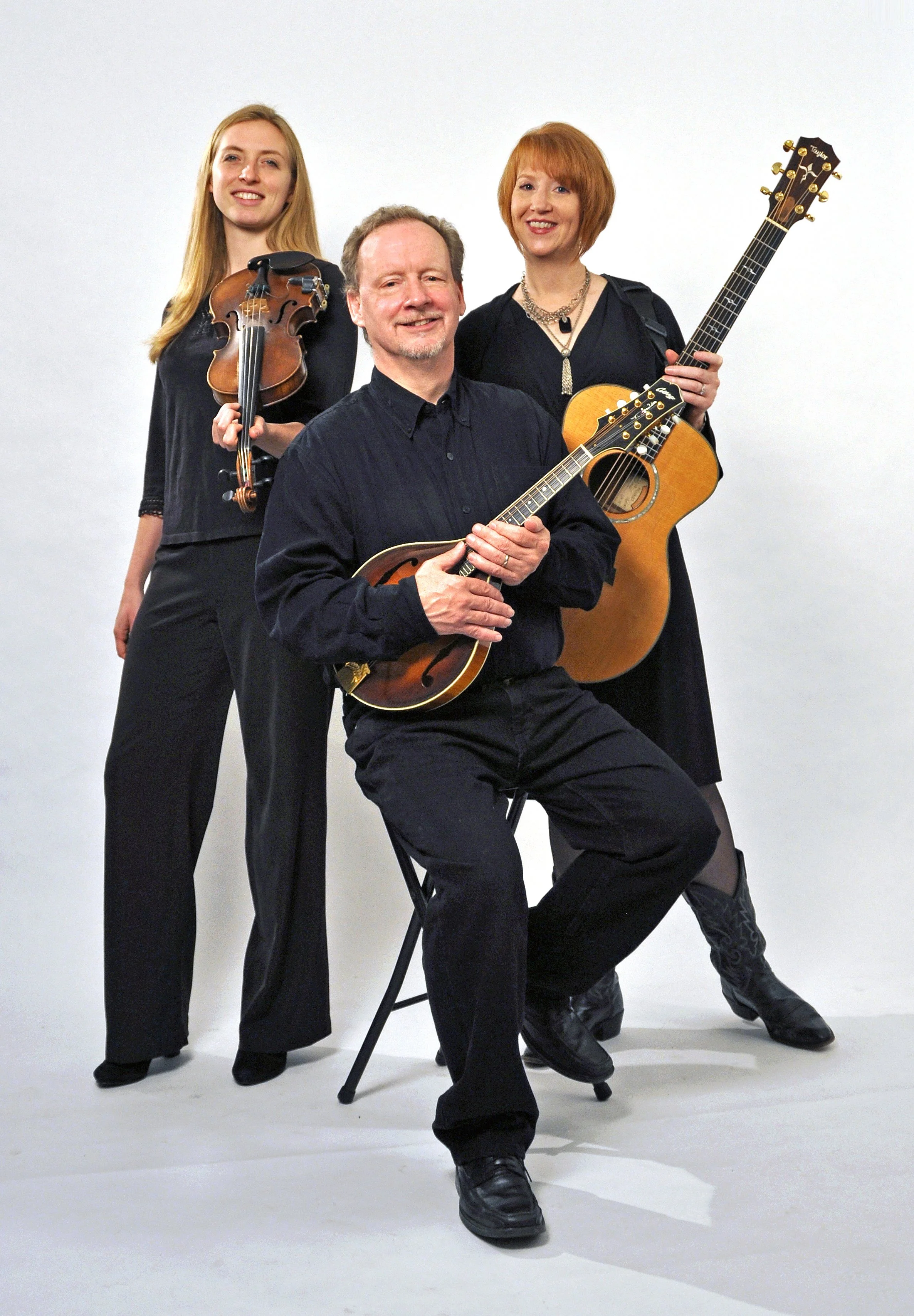
Examples of notable collaborations
Not every cross-genre pairing becomes “famous,” but the most instructive ones teach you what to listen for—how phrasing changes, how the groove shifts, and how the lyrics land under a different musical spotlight.
1) Folk storytelling meets amplified modern songwriting
A common pathway is taking folk narrative (ballads, personal lyrics, community history) and pairing it with modern band textures—cleaner chord voicings, fuller drums, and tighter song forms. The best versions preserve the emotional pacing of the folk line while updating the dynamics around it.
2) Folk instrumentation with roots in newer rhythms
Fiddle, banjo, mandolin, and acoustic guitar are flexible. When paired with contemporary drumming patterns or syncopated basslines, they can carry the same melody while sounding “current” without losing their identity.
3) Folk artists collaborating with hip-hop or electronic producers
This style often works best when it’s not about “sampling” as decoration. Instead, the beat supports the vocal cadence and keeps room for the details that make folk music specific: breathing, ornamentation, and lyrical emphasis.
4) Cross-genre live collaboration (stage chemistry matters)
Some of the strongest collaborations happen in rehearsal-to-stage timelines where musicians learn each other’s cues in real time. Listen for negotiated momentum: where the band chooses to slow down, where it takes risks, and how the chorus energy is coordinated.
For background on how folk traditions share techniques and change over time, see Folk music (utm_source=cincinnatifolklife.com) and explore related entries like bluegrass (utm_source=cincinnatifolklife.com).
Impact on folk music evolution
Cross-genre collaborations influence folk music in four noticeable ways—if you know what to look for.
| Impact signal | What changes | What to listen for |
|---|---|---|
| Technique transfer | New harmony, rhythm, and arrangement habits | Melodies framed differently, but story beats stay clear |
| Audience expansion | Folk reaches listeners who don’t usually cross genres | Choruses and hooks become easier to follow without flattening emotion |
| Preservation through reinvention | Traditions survive by adapting performance context | Old lyrics/structures remain recognizable inside new sound design |
| Identity pressure | Debate over “authenticity” increases | Artists explain choices; the best work sounds intentional, not apologetic |
A pragmatic rule: the collaboration must earn its changes
When genre blending feels obvious, it often means the artists were aligned on a purpose: highlight a story angle, bring out a groove, or make a tradition accessible. When changes feel random, the music may be chasing novelty instead of meaning.
A second rule: respect the tempo of the tradition
Folk music has its own sense of time—where the melody rests, where a phrase turns, and how the lyric carries. Good collaborations preserve that internal timing even when they add new instrumentation.
Conclusion
Folk music collaborations bridge genres when they translate craft—not just costumes. By noticing the collaboration type, the arrangement choices, and the impact signals (technique transfer, audience expansion, preservation through reinvention, and identity pressure), you can tell the difference between a gimmick and real evolution.
What to do next: If you’re exploring new music, start with one folk song you already like, then listen for a version that places it inside another rhythmic or instrumental world. If you’re curating events or programming, consider inviting artists from adjacent genres and planning shared-stage time so “chemistry” can do its work.
To connect with Cincinnati Folk Life, visit About Cincinnati Folk Life and Contact Us.
Key takeaways
- Genre collaboration is about translation: melody/story clarity plus expanded musical palette.
- Hybrid arrangements and role swaps are the most common practical pathways.
- Look for four impact signals: technique transfer, audience expansion, reinvention with preservation, and intentional identity work.
- The best collaborations earn their changes and respect the tradition’s tempo.