Folk music instruments are the original multitaskers. They carry melody, set the rhythm, and quietly haul a community’s memories around like a wagon full of song. A fiddle at a dance, a banjo on a porch, an accordion at a street fair: each one is part instrument, part time machine.
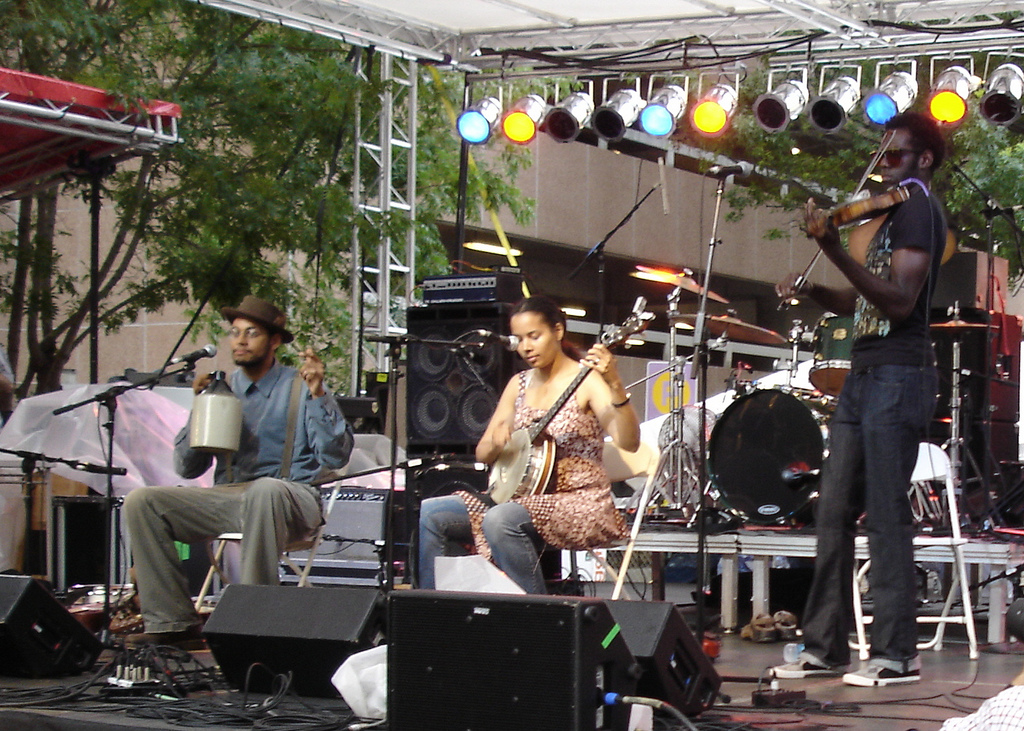
At their core, folk instruments are designed for people, not perfection. They are portable, durable, and easy to pass from one generation to the next. That is why folk traditions can travel so well: the music may cross oceans, but the instruments keep showing up ready to work. If you want a broad overview of how folk music has developed as a cultural form, Britannica’s folk music overview is a solid starting point.
Traditional instruments and their origins
The classic folk lineup is a little like a kitchen table that learned to sing. Different regions have their own favorites, but a few instruments show up again and again because they are expressive, portable, and loud enough to survive a room full of dancers.
| Instrument | Where it fits in folk music | Why it stuck around |
|---|---|---|
| Banjo | Driven rhythm, syncopated picking, dance tunes | Bright tone, portability, and a long history of cultural exchange |
| Fiddle | Melodies for reels, jigs, ballads, and house dances | Flexible sound and a style that changes from region to region |
| Accordion | Dance halls, festivals, and community celebrations | Big sound from a compact body, which is useful when the room refuses to be shy |
The banjo’s Smithsonian collection is a reminder that folk instruments are not frozen museum pieces. The banjo’s design and meaning shifted over time as it moved through different communities, styles, and performance settings. That same motion is part of its charm: one instrument, many accents.
The fiddle is another shape-shifter. In folk music, the term usually points to style rather than a different instrument. A violin in a concert hall and a fiddle at a barn dance are cousins wearing different shoes. For a concise history of the instrument itself, Britannica’s fiddle entry traces how the instrument traveled through European traditions and into folk scenes across the world.
Accordion players get a similar treatment from history. The instrument spread widely because it was loud, mobile, and surprisingly good at making a small space feel like a parade. Britannica’s accordion overview shows why it became a favorite in folk traditions from Central Europe to the Americas.
Modern adaptations and new instruments
Folk music did not stop evolving just because someone built a good porch. Modern players have borrowed from rock, jazz, blues, country, and indie music, then mixed those flavors into the folk stew. The result is still recognizably folk, but with a few extra tools in the toolbox.
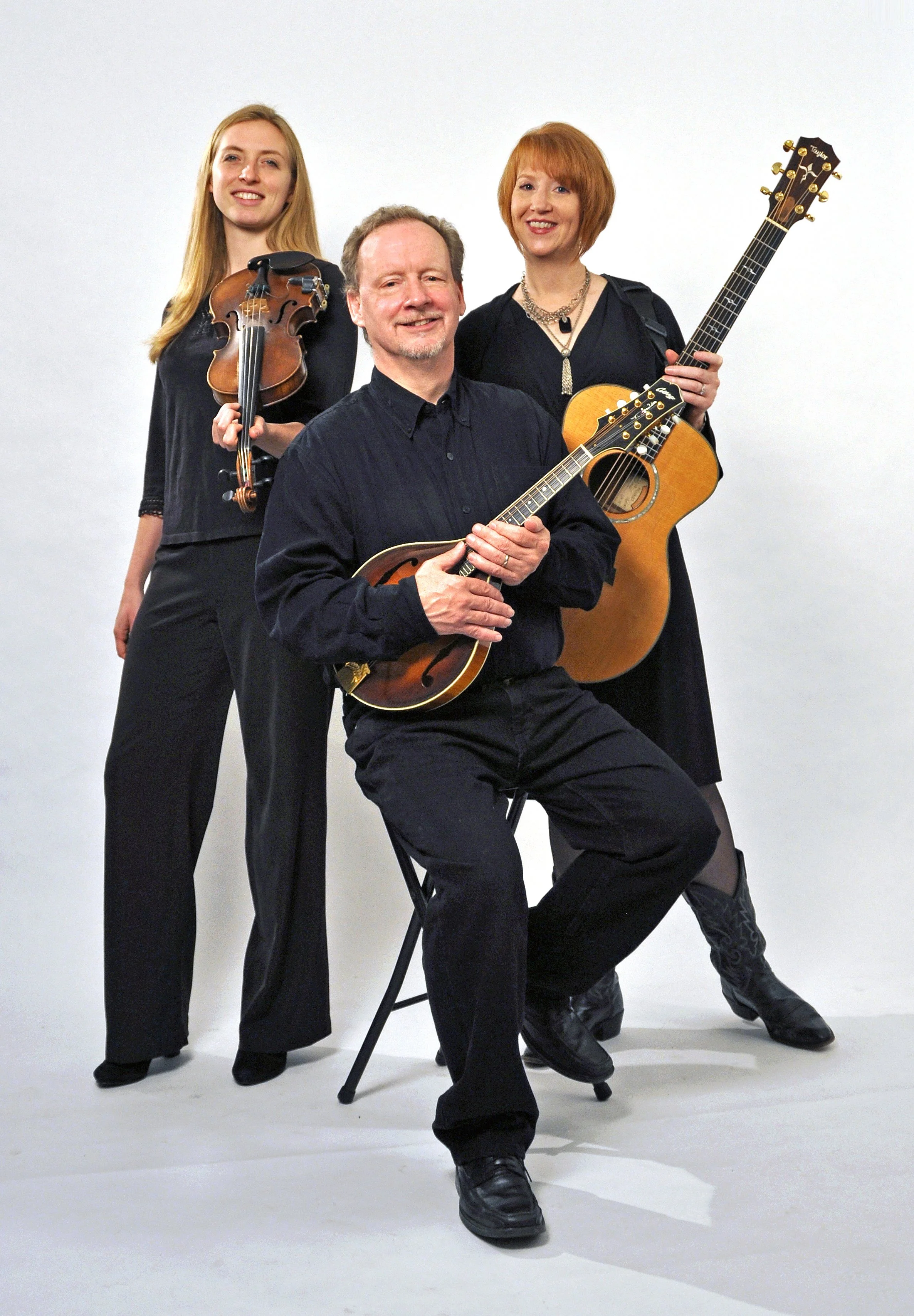
Some of the most common modern changes are practical rather than flashy: pickups on acoustic instruments, pedalboards for effects, loopers for solo performers, and tighter stage amplification so a fiddle can compete with a clapping crowd instead of losing the argument. Electric bass, electric guitar, and even synth textures sometimes join the mix, especially in crossover or Americana settings.
That shift is not betrayal; it is adaptation. Folk traditions have always borrowed, blended, and reshaped themselves. In that sense, modern folk musicians are doing what their predecessors did, just with more cables on the floor and fewer chances of tripping over a goat.
Folk organizations have modernized offstage too. For groups juggling rehearsal calendars, lesson requests, and archive notes, a neutral guide to AI consulting services can help sort useful automation from clever clutter. The point is not to replace the human side of music; it is to make the admin side less of a gremlin.
That matters because contemporary folk scenes often live in both worlds at once. They honor tradition while also using modern tools to book performances, share recordings, and keep communities connected. If you are curious about the broader cultural side of that balance, the About Cincinnati Folk Life page gives a little more context about the site and its focus.
Why these instruments still matter
Folk instruments matter because they hold more than notes. They hold local memory, migration stories, family gatherings, labor songs, protest songs, dance tunes, and the occasional impromptu jam that starts as “just one song” and becomes a two-hour social event. They are cultural carriers with strings, buttons, reeds, and a stubborn refusal to stay in one place.
They also show how culture moves. A traditional instrument can survive by changing its outfit. A modern instrument can become folk if a community uses it that way. The line between old and new is less a wall than a revolving door with excellent acoustics.
A quick listen-through
If you want to hear the evolution in your head before you go looking for it in the wild, try this mental playlist:
- A solo fiddle tune played for a community dance.
- A clawhammer banjo pattern driving a mountain ballad.
- An accordion lifting the energy in a neighborhood festival.
- A modern folk set with acoustic guitar, fiddle, bass, and a subtle loop pedal doing its tiny but useful magic.
That sequence shows the big idea: folk music instruments keep adapting because the people who play them keep adapting. The songs stay rooted, but the branches reach outward.
If you have a question about the site or want to share a favorite folk instrument story, contact us. Folk music is at its best when it is being passed along, argued about lovingly, and played again.
And if you want to keep exploring, start with one instrument, one tune, and one room full of people who know the chorus. That is usually where the history starts to feel alive.