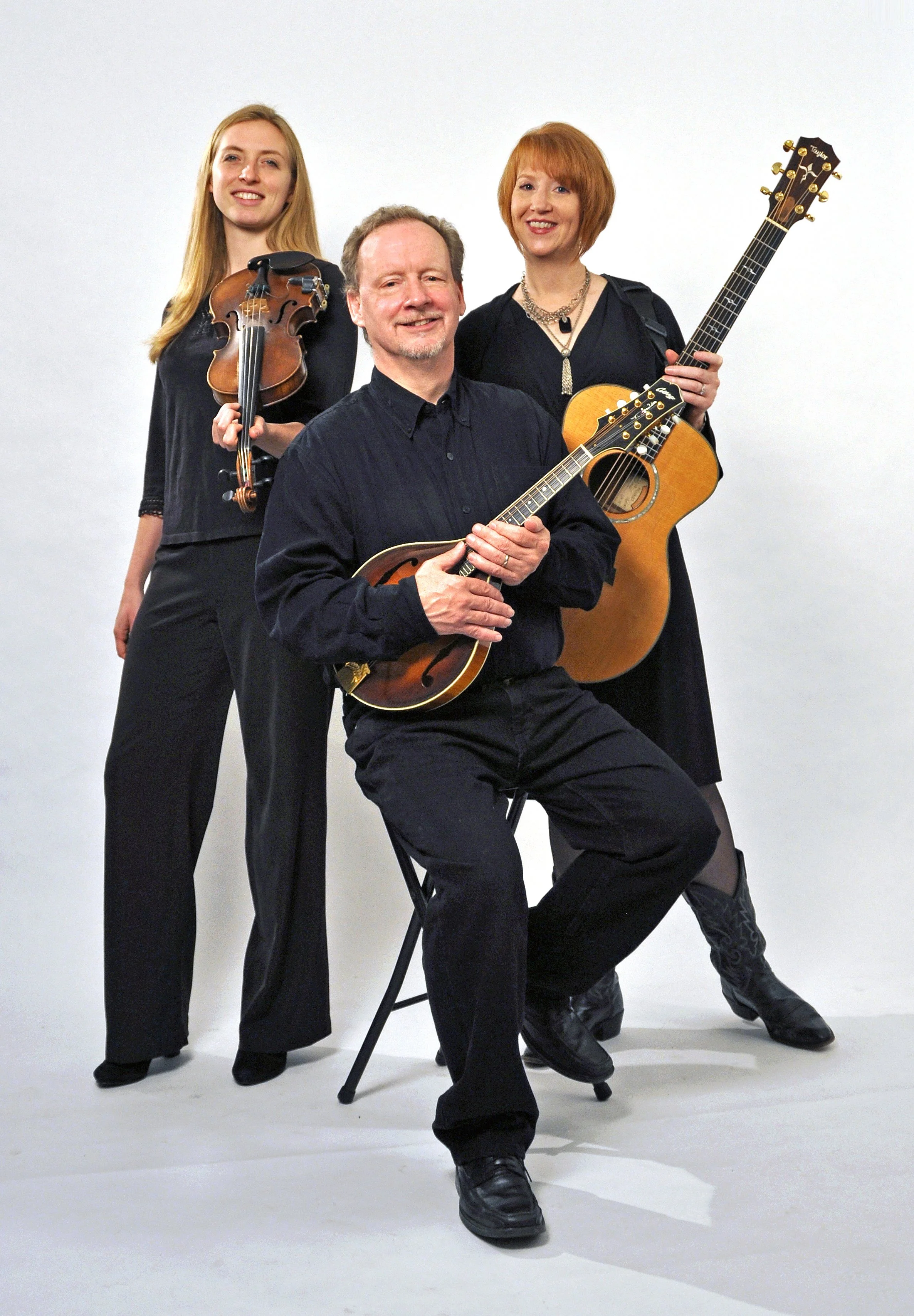
Cincinnati’s folk scene does not sit politely in one corner. It shows up in bluegrass sets, Americana nights, protest songs, neighborhood block parties, and the kind of acoustic bills that make a room go quiet for the right lyric.
If you have been wondering where the city’s roots music lives in 2026, you are asking the right questions: Who is playing now? Which events actually feel community-centered? And where do folk, bluegrass, and Americana overlap without pretending they are the same thing? That mix is part of the appeal. As the CityBeat profile of The Tillers and Visit Cincy’s current event listings both suggest, the city’s roots scene is active in more than one lane.

The practical question is not whether Cincinnati has a single folk revival. It is where to find the places, artists, and events that keep the sound visible right now. This guide focuses on current examples, the city’s cross-regional musical character, and a few easy ways to keep up without needing a spreadsheet and a prayer.
What “folk” means in Cincinnati right now
In Cincinnati, the word folk is best understood as a neighborhood of related styles rather than a locked gate. Bluegrass, Americana, protest songs, old-time material, songwriter rounds, and acoustic storytelling all overlap. That is especially true in a city that sits between regional influences and has long been a crossroads for touring acts, local pickers, and community organizers.
Here is a simple working map:
| Style | What it usually signals | Where you might hear it |
|---|---|---|
| Folk | Story-driven songs, acoustic instruments, and close attention to lyrics | Listening rooms, coffeehouses, libraries, small clubs |
| Bluegrass | Fast picking, tight harmonies, and instrumental breaks that do not like to sit still | Concert rooms, festivals, local band bills |
| Americana | A wider roots umbrella that can include folk, country, blues, and rock edges | Venue series, tourism listings, mixed-genre showcases |
| Protest or community songs | Music tied to shared causes, memory, and public conversation | Special programs, civic events, benefit shows |
Current activity worth watching in 2026
One useful sign of a healthy scene is that it does not depend on one giant annual festival. Cincinnati has several current examples that point to steady activity across the year.
The Tillers continue to anchor the local bluegrass-folk conversation
The Tillers remain one of the clearest examples of how Cincinnati’s folk and bluegrass identities meet. CityBeat’s recent coverage presents them as part of the city’s layered musical identity, not as a novelty act or a nostalgia project. That matters. A scene stays real when its artists feel current, visible, and connected to the place they play.
If you want a quick primer on the group’s wider context, the AllMusic bluegrass style overview is a helpful background reference, while CityBeat’s local coverage keeps the Cincinnati angle front and center.
Americana nights keep drawing a mixed crowd
Visit Cincy’s listing for Amazing Americana Night: Jake Speed & Mike Oberst is a good example of how the city presents roots music in a way that feels open and approachable. Americana is useful because it leaves room for different sounds in the same room. You do not have to choose a single label before you show up, which is a relief to everyone except people writing category charts.
Community-centered programming keeps acoustic music visible
Not every important roots-music moment is a ticketed club show. CityBeat’s coverage of a night of protest music and Visit Cincy’s neighborhood-event reporting show how civic and community spaces help keep acoustic performance part of the city’s public life. That could mean a benefit concert, a block party, a library program, or a family-friendly outdoor gathering where a fiddle and a banjo are doing useful public work.
For broader event planning, the Brady Block Party guide from Visit Cincy shows how civic programming can shape the same live-music ecosystem that also supports roots and folk-adjacent performances.
Why Cincinnati is such a natural fit for folk and roots music
Cincinnati’s geography helps explain a lot. River-city movement, regional overlap, and migration patterns have always given the city a cross-current feel. That matters for music. Folk and roots traditions tend to travel well in places where people, stories, and work histories cross paths.
In practical terms, that means the city can support several overlapping audiences at once:
- listeners who want traditional acoustic music,
- fans who prefer Americana with a little grit,
- neighbors who show up for community programming first and genre labels second, and
- visitors looking for a live-music night that feels local rather than packaged.
That is also why Cincinnati’s roots scene can feel broad without feeling vague. The city has room for old songs, new songs, protest songs, and the occasional song about a river, a road, or both. Regions with that kind of musical traffic tend to keep humming.
How to explore the scene if you are visiting
If you want the practical version, start small and local. You do not need a master plan. You need a few good clues and the willingness to follow the music instead of the marketing.
1. Check small venues and listening rooms
Look for venues that regularly host songwriter nights, acoustic sets, folk bills, or bluegrass showcases. Smaller rooms are often where Cincinnati’s scene feels most immediate. The sound is close enough to hear the scrape of a bow and the room is small enough that someone always knows the chorus.
2. Scan neighborhood festivals and civic calendars
Community events are often the easiest way to hear roots music without making a big night of it. Check neighborhood festivals, library calendars, park programming, and city event listings. The music may not always be labeled “folk,” but if the lineup includes acoustic instruments, local artists, or a roots-friendly setting, you are probably in the right neighborhood.
3. Follow local arts coverage
Local publications still do the best job of surfacing what is actually happening. CityBeat’s music coverage and Visit Cincy’s event pages are useful starting points for current shows, artist spotlights, and neighborhood programming.
4. Use the organization pages on this site
If you want to learn more about Cincinnati Folk Life, start at the About Cincinnati Folk Life page, then visit the Support page if you want to help keep this kind of music coverage alive. You can also reach out through the Contact Us page with a question, event tip, or a name you think deserves a closer look. And if you want to see more of the site’s roots-music coverage, the Cincinnati Folk Life story page is a useful companion.
How to find more without missing the good stuff
A few search habits make a big difference:
- Search for “Cincinnati Americana,” “Cincinnati bluegrass,” and “Cincinnati folk music” together, not separately.
- Check venue calendars at least once a month; roots shows are often announced with modest fanfare and short lead times.
- Look at neighborhood event listings, not just downtown entertainment pages.
- Follow local writers who cover music culture, not only event promoters.
- When in doubt, ask the venue what kind of night it is. The answer is usually better than the flyer.
A good place to keep in your bookmarks is the homepage, where you can move into the rest of the site from one central place.
What to expect next
The important thing about Cincinnati’s folk scene in 2026 is not that it is suddenly new. It is that it remains active in a steady, practical way. The city keeps creating room for bluegrass, Americana, protest music, and acoustic storytelling to appear in clubs, public programs, and neighborhood gatherings. That is the kind of scene that keeps going after the headline has moved on.
Key takeaways:
- Cincinnati’s roots scene blends folk, bluegrass, Americana, and community-centered performance.
- Current activity includes The Tillers, Americana nights, protest-music programming, and civic events.
- Neighborhood calendars and small venues are often the best places to find the next good show.
- The city’s river-crossed history makes this mix feel natural rather than forced.
If you want to support the scene, show up for the small rooms, follow the local calendars, and keep an ear open for the next set that sounds like it has lived here a while. That is usually where the good stuff is hiding.