Cincinnati still matters in America’s folk and roots music story because the city did more than host music history. It keeps selling it, staging it, and occasionally reminding everyone that genre labels are mostly a marketing habit. If you care about folk, bluegrass, country, blues, or early rock, Cincinnati is not just a footnote. It is a working crossroads.
The useful part is that this is visible now, not buried in a plaque no one reads. Visit Cincy currently frames the city as a place where Appalachian folk, country, jazz, R&B, funk, and early rock all left a mark. That matters because a city that still presents itself that way is usually still worth the trip. See the current tourism framing on Visit Cincy’s history and culture guide and its Art of Sound page.
King Records was not a museum piece when it mattered
King Records earned its reputation by crossing lines that America kept drawing in the wrong places. The label recorded country, bluegrass, gospel, R&B, and rock and roll, and it did so in a city shaped by migration, labor, and river traffic. The King Records DX project explains the racial and genre mixing plainly enough to avoid the usual sentimental fog. Its summary of the label’s influence is worth reading directly at True American Music and Pioneering Racial Integration.
That history still matters because folk and roots music are not frozen categories. They move with people. They absorb accents, instruments, work songs, church music, and whatever the local economy leaves behind. Cincinnati’s part in that story is real: a recording culture built around migration from Appalachia and the Black migration northward helped shape the city’s sound. For another local-history angle, the Cincinnati Preservation Association’s account of King Records and its cross-racial recording legacy is a solid companion source.
Where to experience Cincinnati’s music scene now
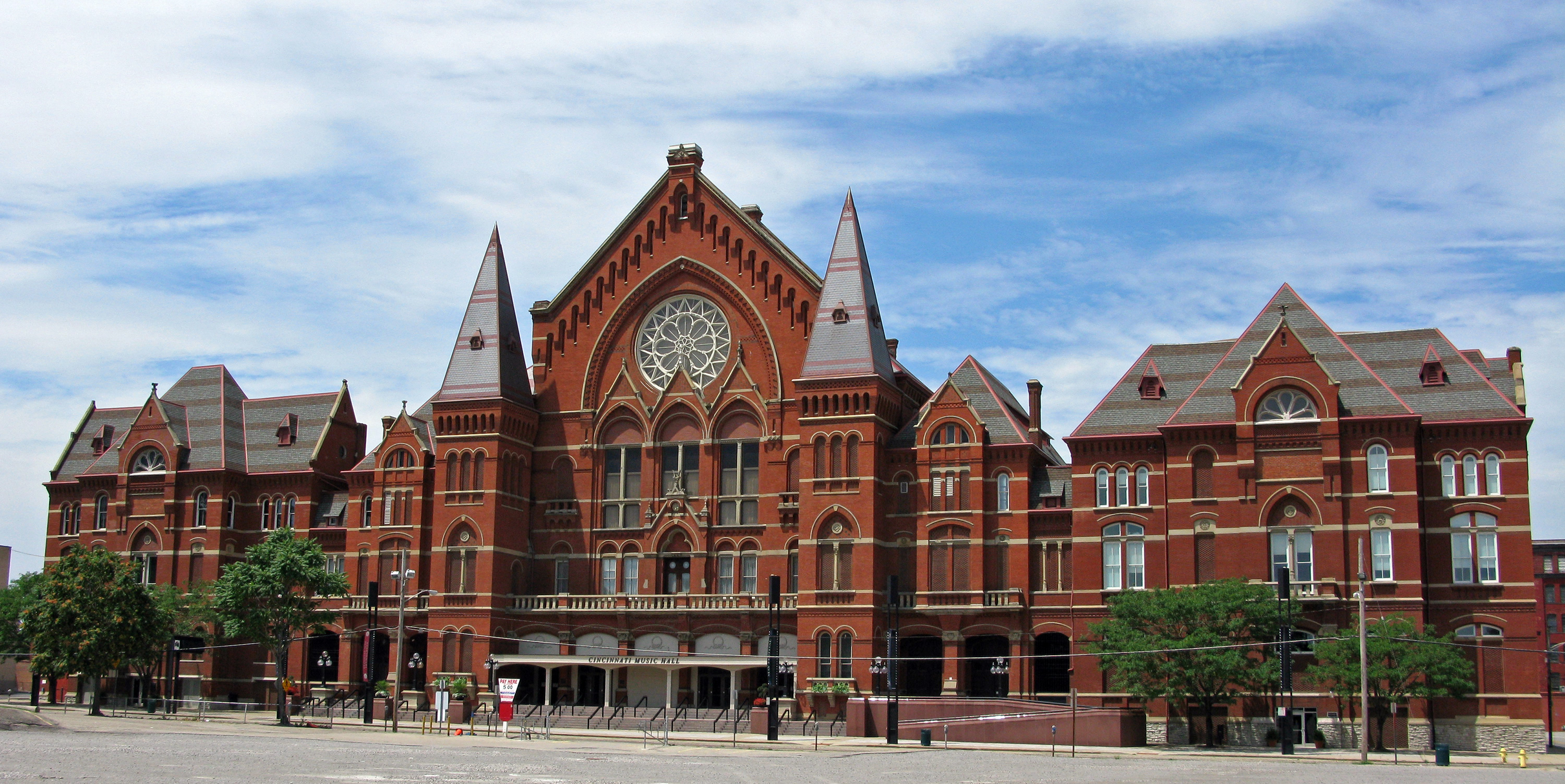
If you want current relevance instead of shrine behavior, start with places that still function. Music Hall is the obvious anchor because it keeps the city’s music identity public and active. It is not the only stop, but it is the cleanest place to begin because it says, without much argument, that music still has a home here.
Then widen the search. Cincinnati’s live-music venues and neighborhood rooms change often, which is annoying if you want certainty and useful if you like actual live culture. Check local listings for folk, Americana, bluegrass, old-time, and roots-adjacent bills rather than assuming the city hands you a tidy heritage package. If you need a broader starting point, look at the city’s current music coverage through the tourism lens and then branch out from there. The city’s own music-themed promotion at Art of Sound is a decent map, as long as you remember that tourism pages are still sales copy.
One attraction worth noting is the Black Music Walk of Fame, which gives the city a public-facing music history that is broader than one label or one era. That matters for roots-music fans because the genre does not exist in a vacuum. It is tied to Black musical traditions, regional exchange, and the constant theft-and-repair cycle that built American popular music in the first place.
Why Cincinnati became a crossroads
The river is the boring answer, which is usually the right answer. Cincinnati sat in a zone where travel, shipping, labor, and migration created regular contact between rural Appalachian traditions and urban recording industry needs. That is how a city becomes useful to roots music: not by posing, but by receiving people and sounds from everywhere else.
King Records benefited from that position, but it was not the only force. The city’s industrial economy drew workers and families from different regions, and music followed them. Appalachian fiddle styles, country repertoire, gospel harmony, blues phrasing, and commercial recording all met in the same place because Cincinnati was one of the few cities where the collision made practical sense. No miracle required. Just geography and enough commerce to pay for a session.
What to do on a music-history day trip
If you have one day, keep it simple:
- Start with Music Hall for the obvious landmark and a sense of scale.
- Read up on King Records before you go so the old building stops being just another brick object.
- Look for a live roots, folk, or Americana show in the evening instead of treating the day as complete after lunch and a souvenir magnet.
- Use the city’s history pages and local listings to cross-check what is actually open before you build an itinerary around wishful thinking.
For practical planning, the city’s own history and culture guide and the broader blog archive are good starting points. If you want background on the site behind those guides, see About Cincinnati Folk Life. If you want to ask a question instead of arguing with your browser tabs, use Contact Us. And if you care enough to support local music coverage and initiatives, there is always Support.
Bottom line
Cincinnati matters because its music legacy is still readable in the present tense. King Records gives the city historical weight, but the live venues, public landmarks, and current music framing keep that weight from turning into nostalgia sludge. Folk and roots fans should care because this is one of those cities where the past still leaves fingerprints on what happens now. Not glamorous. Just useful. Which is rarer than people admit.