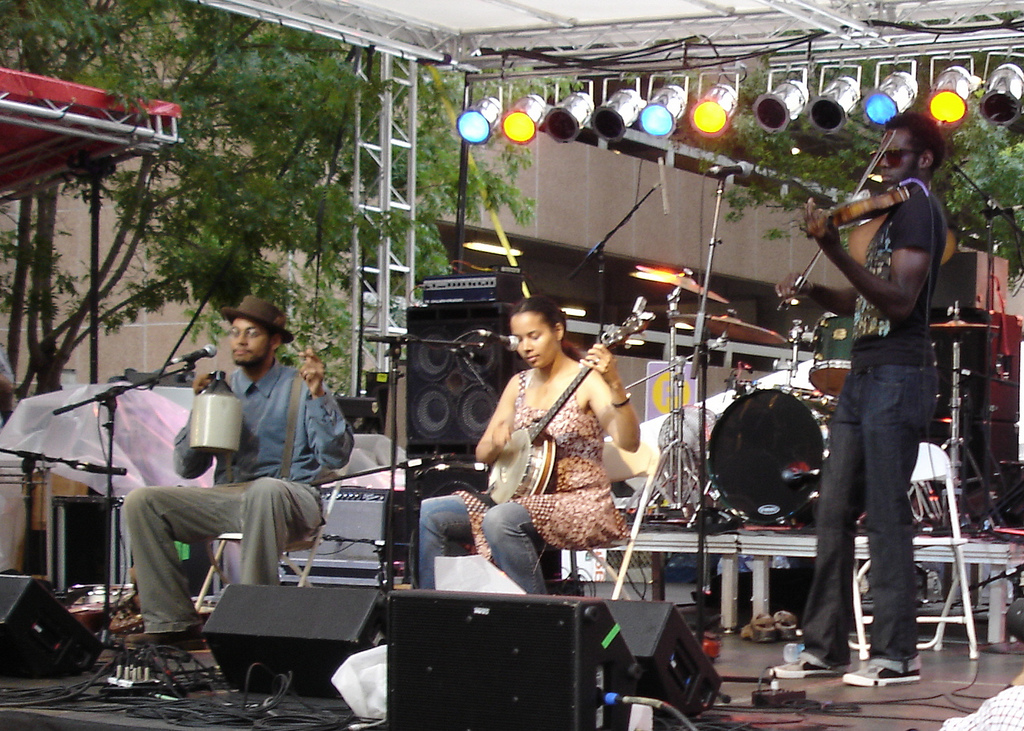
Cincinnati’s folk scene works best when songs stay close to the room. Local songwriters give the city its texture: they turn neighborhood detail, migration history, and small-stage energy into something people can actually hear without a press release.
Introduction to Cincinnati’s Songwriting Talent
Cincinnati has long supported folk, roots, and acoustic music through neighborhood venues, civic events, and a steady appetite for strong writing. For broader context on the city’s music heritage, see Visit Cincy’s music and culture guide and the King Records DX overview of true American music.
The practical role of local songwriters is straightforward: they keep the scene current. They write the material, test it live, and give audiences a reason to care before the algorithm does its usual public-service nonsense.
Profiles of Notable Local Songwriters
This guide highlights the kind of writers who keep Cincinnati’s folk scene moving. Some are best known for traditional storytelling, others for contemporary acoustic arrangements, and some for tying folk language to newer concerns.
- Tradition keepers who write songs rooted in family memory, labor, travel, and place.
- Bridge builders who blend folk with bluegrass, Americana, and other acoustic styles without losing clarity.
- Community regulars who show up at open mics, house concerts, and nonprofit events to keep the circuit alive.
For examples of Cincinnati’s broader roots-music ecosystem, review the blog archive and the city’s live-music landscape through local event coverage from the regional press.
Impact of Local Songwriters on the Community
Songwriters do more than fill a set list. They shape the language of a scene. They help venues book smarter, give listeners a reason to return, and make it easier for younger musicians to see a path forward.
That matters because cultural scenes survive through repetition: a recurring open mic, a dependable room, a few people who keep writing, and an audience that decides not to disappear after one good chorus.
What their work changes
| Area | Local effect |
|---|---|
| Live events | More original material and stronger audience loyalty. |
| Community ties | Shared stories that connect neighborhoods and generations. |
| Music economy | Sales of tickets, recordings, merch, and lessons. |
How to Support Local Songwriters
Support is not mysterious. It is mostly behavioral.
- Attend open mics, showcases, and small-venue shows.
- Buy music directly from the artist when possible.
- Bring a friend who has not yet discovered that live music still works.
- Share shows and releases on social media with a useful caption, not just an emoji.
- Use the contact page if you want to ask about coverage, collaboration, or community events.
You can also help by following artists on platforms where they announce shows and releases. The NAMM Foundation’s Music Saves site is a useful reminder that arts participation has real community value, even if it rarely gets a budget line worthy of the name.
Conclusion
Cincinnati’s folk songwriters keep the scene honest. They write the songs, test the ideas, and remind the city that local culture is built by people who keep showing up.
If you want the scene to stay healthy, the decision is simple: listen locally, pay for the work, and treat live music like a civic habit instead of a novelty.