Introduction to genre influences
Cincinnati folk music has always lived near the edges of other styles. That is part of the point. Folk songs travel well because they are built from story, rhythm, and shared memory, and those elements are easy for other genres to borrow without losing their own identity. In a city shaped by river trade, neighborhood traditions, church music, and regional touring circuits, folk influence rarely stays in one lane for long.

That cross-pollination is not unusual in American music. The Encyclopaedia Britannica overview of folk music notes how folk styles often blend into popular forms over time. Cincinnati’s scene reflects that pattern in local ways, where folk melodies and storytelling have shaped everything from acoustic singer-songwriters to more electric, genre-mixing bands.
Examples of cross-genre impact
One of the clearest examples is the way folk storytelling influences country and Americana. A good folk song tells the truth in plain language, which also happens to be useful in country music. Songwriters draw on that same directness when they write about work, travel, family, and loss.
Folk’s influence on rock is less obvious at first, but it is just as real. Acoustic fingerpicking, harmonized choruses, and topical lyrics show up again and again in rock-adjacent music. If you want to hear how those lines blur, the Americana music and folk rock entries are useful starting points for the broader history.
In Cincinnati, folk influence also reaches into bluegrass, roots revival, and even indie music. A small acoustic arrangement can carry the same emotional weight as a bigger production when the writing is strong. That is the quiet trick. The style changes, but the skeleton stays familiar.
| Genre | What it borrows from folk | Common result |
|---|---|---|
| Country | Story-led lyrics, acoustic playing, plainspoken emotion | Songs that feel personal and immediate |
| Rock | Ballad structure, protest themes, harmonies | Stripped-down songs with a direct message |
| Americana | Traditional melodies and roots instrumentation | A wide roots sound with room for many influences |
| Bluegrass | Fiddle traditions, communal performance, repertoire sharing | Fast, skilled ensemble playing with old-soul phrasing |
Musicians who bridge genres
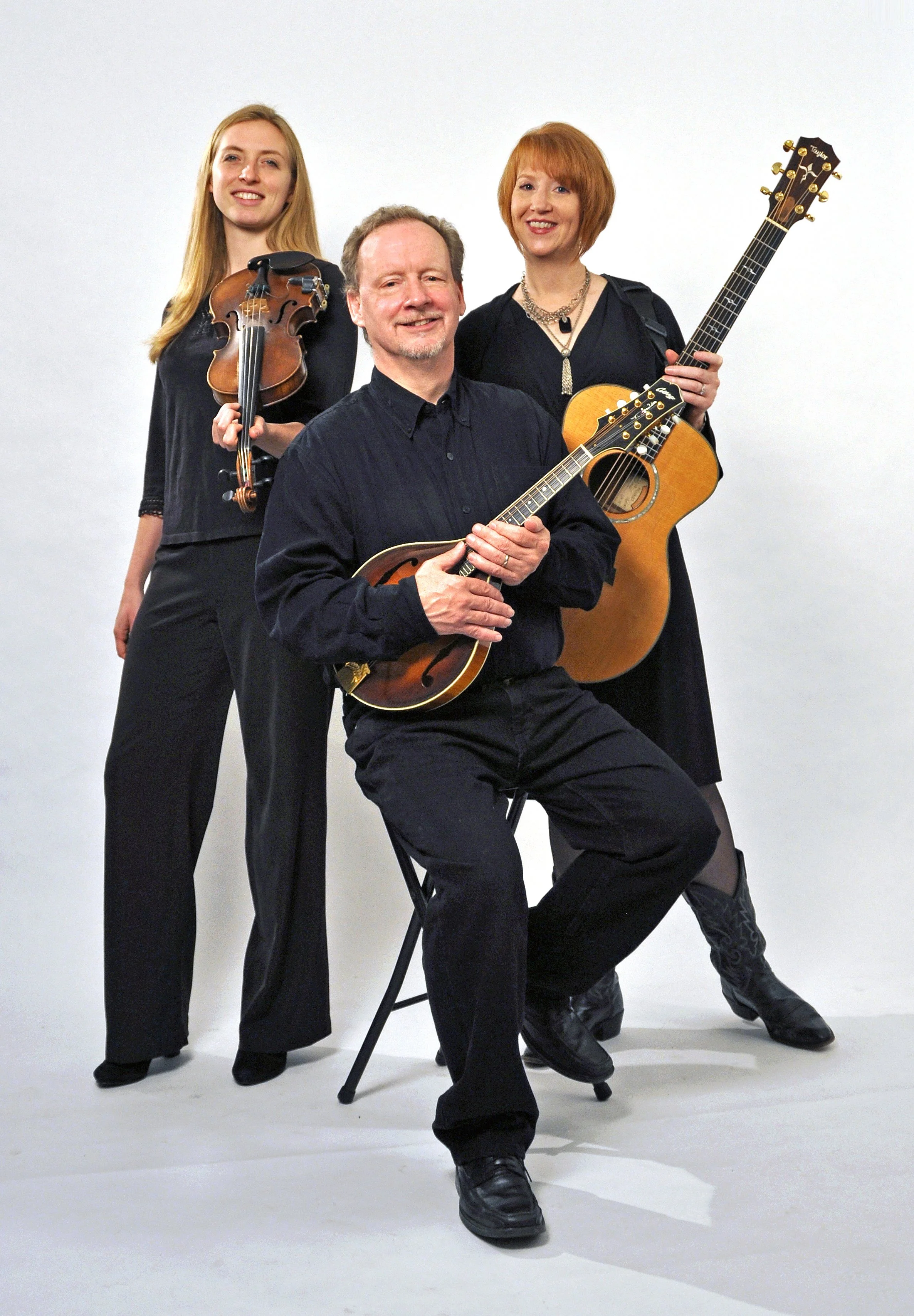
Genre bridges are usually built by working musicians, not marketing slogans. In Cincinnati, that often means artists who move comfortably between coffeehouse folk, club shows, festival stages, and collaborative projects. They may start with traditional material, then add drums, electric guitar, or richer arrangements without losing the song’s original shape.
Local scenes also depend on presenters and venues that welcome mixed bills. A folk duo can share a night with a rock band, and both sets benefit. If you want to see how Cincinnati continues to present that mix of styles, the article on About Cincinnati Folk Life is a good place to understand the organization’s community role, and the Contact Us page is the practical next step if you want to ask about events or participation.
Artists who bridge genres often do one simple thing well: they keep the song readable. A folk melody can survive a new rhythm section, a louder amp, or a different audience because the heart of it is still clear. That is why these songs move so easily from one scene to another.
What this means for listeners
If you enjoy folk music, listening across genres can deepen the experience. You will start noticing where a lyric borrows a storytelling habit, where a guitar pattern comes from old ballads, or where a harmony line is doing more work than it first appears to do. The influence is not always announced. Sometimes it is just hiding in plain earshot.
For a broader cultural backdrop, the Library of Congress folk music collections offer a strong reminder that folk traditions have always been shared, adapted, and carried forward by many communities. That larger pattern helps explain Cincinnati’s role as well: local music rarely stays local for long.
Conclusion
Cincinnati folk music has influenced other genres by doing what folk music does best: it keeps the human story close to the surface. Country, rock, Americana, bluegrass, and indie musicians have all borrowed from that approach. The result is not a copy of folk music, but a wider musical conversation with a recognizable voice at its center.
If you would like to explore more of the site’s background and community pages, visit the About Cincinnati Folk Life page or contact the site with a question.