Folk music survives the same way most useful things do: through repetition, correction, and a few people who refuse to let it get sloppy. In Cincinnati, that work still happens in families, on community stages, and at events where kids can listen before they are old enough to pretend they discovered the song themselves.
That matters in 2026 because folk and traditional music is not sitting in a museum case. The National Endowment for the Arts continues to frame traditional arts as living practices passed across generations, and the Library of Congress is putting family memory, stories, and music at the center of its new Alive in Many Hands project. Translation: traditions stay alive because people keep handling them.
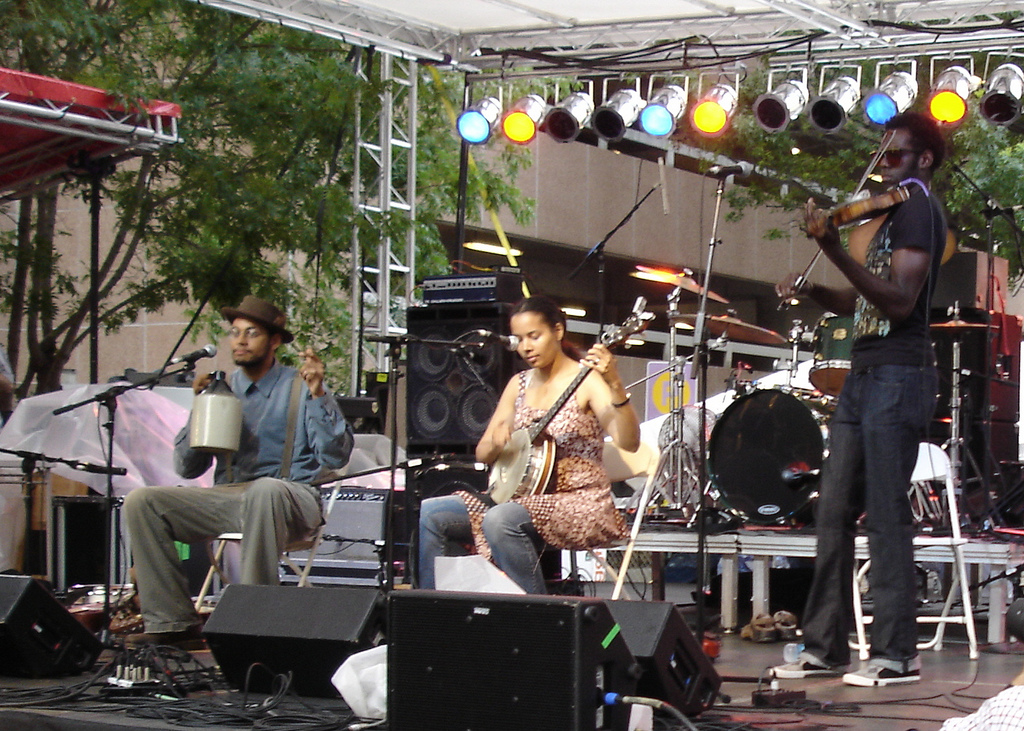
Cincinnati’s current folk and roots scene
The local scene is not theoretical. Visit Cincy currently lists Amazing Americana Night: Jake Speed & Mike Oberst, a useful reminder that Cincinnati’s folk-adjacent calendar still includes named local musicians, live audiences, and the kind of setting where songs can outlast the set break.
For visitors and families, that matters more than nostalgia. It means there are practical ways to hear the music now, not only read about it later. If you want the broader city story, start with the CWF membership and events page and the blog index for current posts on Cincinnati’s music life.
How folk traditions move from one generation to the next
Transmission is usually less dramatic than people imagine. It looks like a parent humming a chorus in the kitchen, a grandparent teaching a simple melody by ear, a teen learning to keep time without staring at a phone, or a local musician showing a younger player how to hold back on the verse so the chorus can land. Community stages make that easier because they normalize participation instead of performance-as-perfection.
That is the value of small rooms, singalongs, and neighborhood arts events. They create room for observation, imitation, and the occasional mistake that becomes a family story. Folk music has always had room for both.
Practical ways families can take part
- Attend local Americana and folk concerts together, especially all-ages events.
- Look for community singalongs, open mics, and library or arts-center music programs.
- Bring younger listeners early so live music feels normal instead of ceremonial.
- Ask musicians about songs, instruments, and the stories behind a tune.
- Support local arts organizations with tickets, memberships, or donations when the budget allows.
If you want a place to start, the public pages on support and contact explain how to stay connected. And yes, showing up counts. Culture is annoyingly dependent on attendance.
Why this still matters in 2026
National institutions are increasingly describing folk and traditional arts as living systems rather than fixed artifacts. The NEA’s 2026 heritage fellowships and the Library of Congress’s new living-traditions work both point in the same direction: traditions are maintained by people, not preserved by accident. For Cincinnati families, that is the business case for showing up, learning a song, and staying in the room long enough to hear the next one.
You do not need a perfect pedigree or a formal music education to participate. You need ears, a bit of patience, and a willingness to let the song do its job. If you want more context on why Cincinnati remains relevant to roots-music fans, see About Cincinnati Folk Life and the overview on the home page.
Takeaway
Cincinnati keeps folk music alive when families, musicians, and community groups treat it as a shared practice. The path is simple: hear the music, learn the song, back the people doing the work, and keep the next generation close enough to notice.