Folk music can look simple—until you listen closely. Here’s how to hear what’s actually happening in the songs, and start enjoying it without needing a degree in nostalgia.
People usually search for questions like: What counts as folk music? What should I listen for? How do I tell one style from another? and Where do I go from my first playlist? That last part matters, because “getting it” is mostly pattern recognition and attention, not secret knowledge.
According to the Smithsonian Institution, folk music is often characterized by being passed along through communities—shaped by tradition, place, and the people who sing and play it (and not by corporate marketing departments). UNESCO also points to the importance of safeguarding living cultural expressions, including traditional music practices, which is exactly the kind of “why it matters” context that makes listening feel less like trivia night. Learn more: Smithsonian folk music overview and UNESCO on traditional music.
By the end, you’ll know what folk music is, which traits are worth noticing, and a simple “first listening” process you can repeat—so you can move from “sounds nice” to “I understand why this hits.”
Table of Contents
What is folk music?
Folk music is music that’s rooted in tradition and community practice—music that grows in shared use, typically transmitted through singing, performance, and local culture. The details vary by region, but the core idea is the same: these songs don’t just “exist,” they’re maintained by people.
One common beginner trap is treating folk music like a single genre. It isn’t. It’s more like a category describing how music functions—its relationship to people, place, and tradition—and that means you’ll hear different instruments, rhythms, and song forms depending on where you are.
Terminology you’ll see
- Traditional / vernacular: music that lives through community practice, not just studio releases.
- Ballad: a narrative song—often telling a story over multiple verses.
- Work song / dance tune: music tied to daily life or group movement.
- Revival: when later musicians rediscover and reinterpret older forms.
Rule of thumb: If the song feels like it belongs to a community’s shared memory, you’re probably in folk territory.
Key characteristics of folk music
Folk music appreciation gets easier when you stop hunting for “the one correct sound.” Instead, listen for consistent signals.
1) Story and voice
Many folk songs carry narratives—love, loss, work, travel, protest, faith. Even when it’s not a literal story, the voice often sounds like a character speaking from experience.
2) Melodies that are meant to travel
Folk tunes tend to be memorable. They move well between performers because the structure supports learning by ear—no lab-grade music theory required.
3) Community performance energy
Even on recordings, you can often hear the “group” inside the sound: call-and-response phrasing, steady dance rhythms, or arrangements that leave room for participation.
4) Familiar instruments and textures
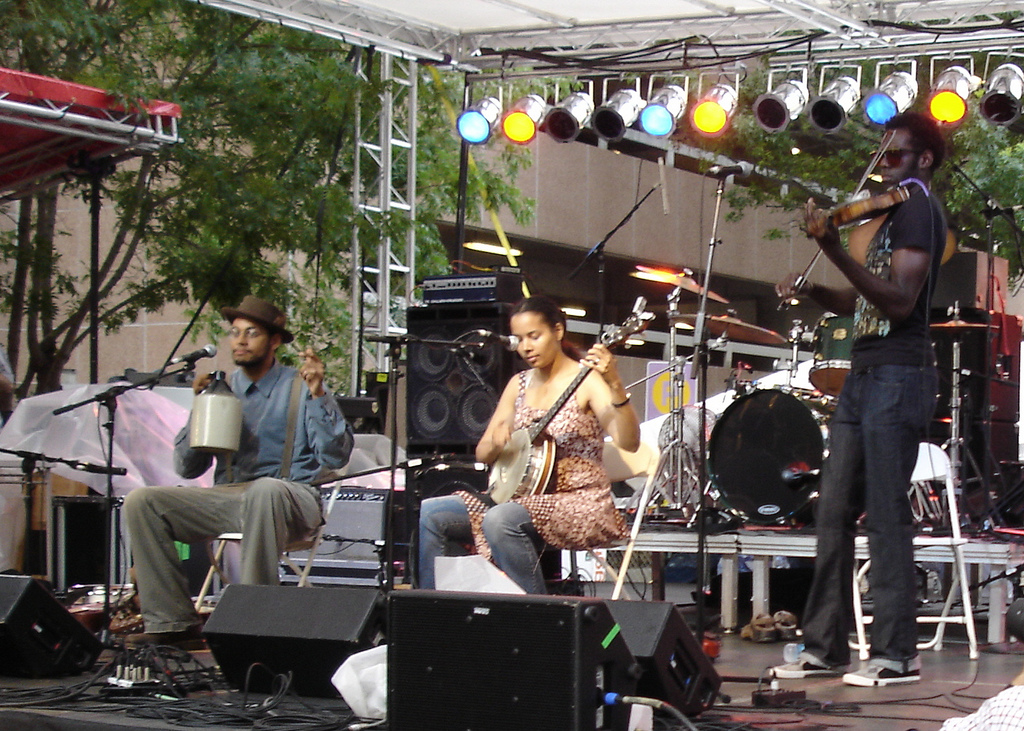
Acoustic instruments show up a lot: guitar, fiddle, banjo, mandolin, harmonica, and hand percussion. That doesn’t mean electric instruments never appear, but in folk traditions the acoustic “speak” of the instruments often leads.
How to appreciate folk music
Here’s a beginner-friendly method that doesn’t require taste-making committees.
Step 1: Do one “listening pass” with one purpose
Pick a single track and choose one thing to notice—story, rhythm, melody, or vocal style. Don’t multitask. This is how you prevent your brain from treating the song like background noise.
Quick CTA (do this first): On your first listen, only answer: What’s the song trying to make me feel, and where does the feeling change? Write two bullet points. That’s it.
Step 2: Mark the turning points
Folk songs often reveal themselves through changes: a verse that shifts perspective, a chorus that functions like a refrain, or an instrumental break that changes the emotional weather. When you can name the turning points, you’re already “appreciating,” even if you can’t describe the theory.
Step 3: Compare two versions (same theme, different choices)
Folk material commonly gets reworked. Comparing versions teaches you what’s essential and what’s interpretive. For this, it helps to use reputable listening resources—Wikipedia can be a starting point for song histories, and public-collections sites often document variants.
Step 4: Follow the context trail
When you know a song’s setting—who it was for, when it was sung, or what community it served—you hear the “reason” behind the structure. This doesn’t mean you need a history lecture; it means you give the song a job.
Step 5: Keep a tiny “folk vocabulary” notebook
Don’t write essays. Create a page with three categories: songs I liked, things I noticed, and questions I have. Over time, your preferences become readable patterns, not random reactions.
Conclusion
Folk music appreciation isn’t about pretending you already know the tradition. It’s about listening in a way that matches how these songs work: through community voice, memorable melody, and context you can learn over time.
Key points to remember:
- Folk music is a category of tradition and community practice, not one single sound.
- Look for story, melody that travels, and performance energy.
- Use a repeatable method: one pass, one purpose, mark turning points, then compare versions.
- Keep notes—small notes beat vague “I liked it” reactions.
If you want more orientation, start with our About Cincinnati Folk Life and send any questions through Contact Us.
One last diagnostic step before you change anything: pick one track you didn’t finish the first time. Listen again with the single question: what changes at the turning points? If you can answer that, you’ve earned the next track.