By Maya Collins | Updated July 23, 2026
If you want to start a folk music group in Cincinnati, do not begin with a logo, a complicated rehearsal schedule, or a debate about whether the banjo belongs in the mix. Begin with three songs, one steady time slot, and enough people to keep coming back.
When people search for this kind of guide, they are usually asking the same practical questions: Who should I invite? What kind of folk group should we be? How do we rehearse without making everyone miserable? And how do we get an actual audience, not just a hopeful group chat? Pete Seeger put the spirit of this work plainly: “The key to the future of the world is finding the optimistic stories and letting them be known.”
That is the heart of folk music. It is community music, but it still needs a plan. If you want the plain definition and cultural context, Britannica’s overview of folk music is a useful starting point, and the Library of Congress American Folklife Center shows how living traditions are documented, shared, and kept visible. In Cincinnati, that same idea works on a smaller scale: a group starts when people decide to show up, listen closely, and keep the songs moving.
In this guide, I will walk through the practical steps I would use to form a group here: finding people, choosing a sound, setting simple working rules, and promoting the group without turning the whole thing into a second job. If you do this well, you do not just make music. You build a small, durable circle of people who know where to meet and what they are trying to make together.
Table of Contents
- Key terms to know
- Find members and collaborators
- Choose a musical direction
- Set a working rhythm
- Promote the group
- A simple 30-day launch plan
- Two useful models for inspiration
- Wrap-up
Key terms to know before you start
I like to begin with the vocabulary, because a little shared language saves a lot of awkward explaining later. You do not need to sound like a music professor. You just need enough clarity that everyone in the room knows what the plan is.
- Repertoire: the songs the group knows well enough to perform.
- Set: the sequence of songs played at a show or a practice run.
- Arrangement: the way instruments, voices, and rhythms are put together in a song.
- Jam: a relaxed playing session, usually more exploratory than a performance.
- Lead song: the main song carrier, often the person singing or starting the tune.
- Acoustic-first: a style that relies mainly on acoustic instruments and natural voices.
For a first group, I would keep the terminology simple. If the band needs a meeting just to define the word “setlist,” the band is not ready for the setlist. That is not a moral failure. It is just a sign to start smaller.
1. Find members and collaborators
The first real task is not publicity. It is finding people who can play, listen, and show up on time often enough to become a group. Cincinnati has enough music listeners and musicians to make this possible, but you still need a search plan.
I would start with three circles:
- Your immediate circle: friends, co-workers, neighbors, and anyone who already plays acoustic music.
- The local music scene: open mics, jams, coffeehouses, house concerts, church music communities, and neighborhood events.
- The internet, used carefully: local Facebook groups, community bulletin boards, meetup-style posts, and message threads with clear details.
Do not write a vague post that says, “Looking for musicians, maybe, sort of.” That sort of message attracts polite silence. Be specific. Say what style you want, what instruments you need, how often you expect to rehearse, and whether you are aiming for casual gatherings or public shows.
A helpful template looks like this:
- Style: old-time, acoustic folk, Americana, traditional ballads, or singer-songwriter circle.
- Instruments: guitar, fiddle, banjo, mandolin, upright bass, accordion, or harmony vocals.
- Commitment: one rehearsal every two weeks, or one monthly rehearsal and one performance target each quarter.
- Goal: house concerts, local coffeehouses, neighborhood festivals, or community events.
If you want a wider network model, Folk Alliance International is a strong example of how folk musicians connect through showcases, regional scenes, and repeat relationships instead of one-off hype. You do not need a conference badge to borrow the lesson: people join scenes when they can find each other easily and return to familiar spaces.
When I would recruit for a small group, I would also look for the quiet strengths: the player who remembers chord changes, the singer who can hear harmonies, the person who keeps the calendar without complaint. A group does not need five stars. It needs a few reliable adults with instruments.
2. Choose a musical direction
This decision matters more than people expect. A folk group can sound traditional, contemporary, rootsy, bluegrass-adjacent, or very singer-songwriter friendly. There is no single correct answer. There is only the question of whether everyone wants the same kind of evening.
Here is a simple way to choose:
| Decision | Good first choice | Why it helps |
|---|---|---|
| Lineup size | 3 to 5 people | Scheduling stays manageable and arrangements stay clear. |
| Repertoire size | 8 to 12 songs | Enough material to rehearse without overwhelming anyone. |
| Song source | A mix of traditional songs and one original tune | It gives the group a recognizable base and a little identity. |
| Performance goal | One small public set in the first 60 to 90 days | Deadlines make the work real. |
A few useful styles to consider:
- Traditional folk: old songs, story songs, and arrangements that keep the melody at the center.
- Americana: a broader mix that can include roots, country, blues, and folk textures.
- Acoustic harmony group: voice-led, often ideal for close harmonies and simple accompaniment.
- Instrumental folk ensemble: good if the players want tunes more than lead vocals.
The smartest question is not, “What genre sounds impressive?” It is, “What can this group do well every time?” A group with a clear lane sounds stronger than a group trying to be everything at once. The audience can hear the difference within the first song, and so can the rehearsal room.
If you want a reference point for the larger tradition, the Library of Congress collection is useful because it shows how community music keeps its character across generations. Folk groups become memorable when they keep some continuity and still leave room for personality. That balance is the whole game.
3. Set a working rhythm that people can survive
Most groups do not fall apart because of bad music. They fall apart because the working pattern is too fuzzy. Someone expects a casual jam. Someone else expects a serious band. A third person assumes the other two have handled the calendar. This is where good intentions quietly expire.
I would settle three things before the first rehearsal ends:
- How often you meet. Every two weeks is often enough for a new group.
- Where you meet. Use one regular place whenever possible.
- What success looks like. For example: “We leave with two songs improved and one next step chosen.”
Then agree on a few ground rules:
- Arrive on time.
- Send a quick message if you cannot make it.
- Bring printed lyrics or shared digital notes if the songs are not fully memorized.
- Keep critique useful and specific.
- Do not let one person talk through the entire rehearsal. Folk music is collaborative, not a hostage situation.
It also helps to assign light roles:
- Song captain: keeps the current set list tidy.
- Timekeeper: watches the clock so rehearsal does not drift.
- Outreach helper: posts updates and keeps track of venue contacts.
- Lead organizer: sends the rehearsal reminder and confirms the next date.
These are not titles for power. They are small logistics jobs. The best group I have seen is usually the one where nobody has to guess who is doing what. That kind of clarity keeps the music from being drowned out by scheduling drama.
4. Promote your group without overcomplicating it
Once you have a usable sound, promotion becomes much easier. You are no longer advertising a wish. You are inviting people to a thing that already exists. That is a very different ask.
Start with the simplest channels first:
- Social media: post a short rehearsal clip, a song snippet, or a one-paragraph introduction.
- Flyers and posters: good for coffeehouses, libraries, music stores, and community boards.
- Email: still useful, still calm, still effective.
- Local venues and events: send a concise introduction with one recording link and one photo.
For your first public message, keep it plain. Say who you are, what you play, and when people can hear you. If you have one sturdy photo and one clean sound clip, that is enough to begin. You do not need a press kit so polished that it starts asking for a parking validation stamp.
Here are the pieces I would gather before posting the group publicly:
- A short group name and one-sentence description.
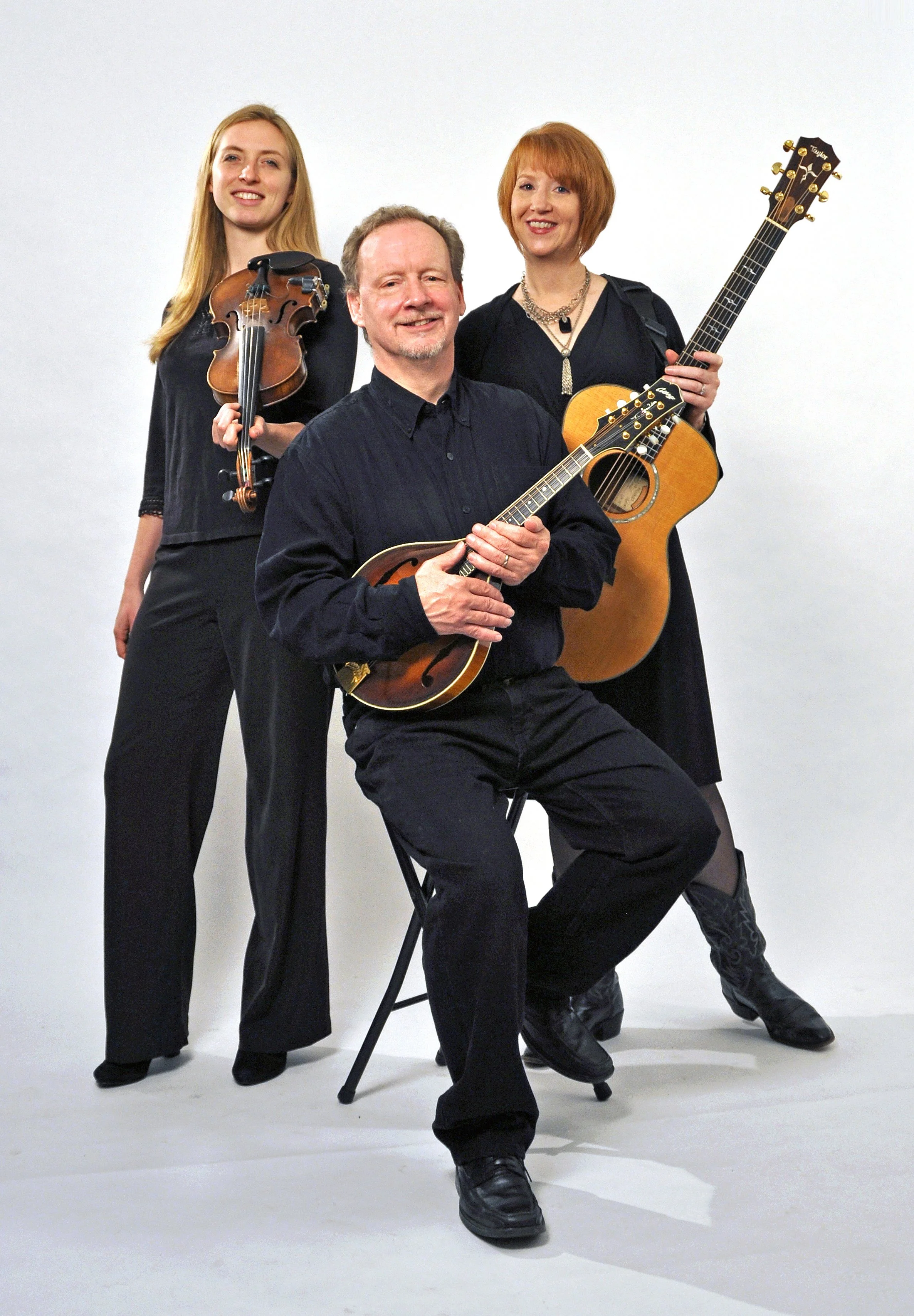
- A clear photo of the musicians.
- One or two songs recorded cleanly on a phone or basic recorder.
- A public contact point.
- A simple calendar note for the next open rehearsal, show, or appearance.
That public contact point matters. If someone hears your set and wants to reach out, they should not have to solve a scavenger hunt. If this site’s broader mission interests you, the About Cincinnati Folk Life page gives a little more context on the organization, and the Contact Us page is the place to ask a question or start a conversation.
If the admin side starts to feel heavier than the music, a neutral overview of AI integration services can be useful for connecting forms, calendars, and message intake without piling on extra manual work.
Promotion also works better when you match the room. A quiet acoustic trio may fit a bookstore, library program, or neighborhood gathering. A louder roots group may fit a festival stage or a larger room with a little more edge. The point is not to get everywhere at once. The point is to find the places where your sound makes sense.
5. A simple 30-day launch plan
When people ask me how to turn the idea into action, I suggest a short timeline. Not because art should be rushed, but because momentum is fragile. A modest deadline keeps the group from turning into a long, pleasant email thread.
- Week 1: define the style, the rough lineup, and the rehearsal day.
- Week 2: choose 6 to 8 songs and assign who leads each one.
- Week 3: rehearse once, record a rough clip, and fix the most obvious arrangement issues.
- Week 4: rehearse again, confirm one public appearance or informal sharing point, and invite a small audience.
If you want the group to feel real quickly, choose one visible milestone: a house concert, a library slot, an open mic, or a neighborhood event. The first public performance does not have to be perfect. It just has to happen. Folk music has survived on sincerity, timing, and a reasonable amount of tuning.
A practical launch checklist looks like this:
- Rehearsal space confirmed.
- Song list written down.
- Roles assigned.
- Contact information shared.
- One photo and one short recording ready.
- Next date already on the calendar before everyone leaves the room.
That last point matters more than it sounds. The moment everyone walks out with the next date already set, the group stops being an idea and becomes a pattern.
6. Two useful models worth learning from
I like to borrow structure from places that have already solved a similar problem. Not copy. Borrow. There is a difference. You are looking for patterns that can survive a smaller, local version of the same challenge.
Example 1: Folk Alliance International. Their network shows how folk music thrives when people can find one another repeatedly, not just once. The lesson for a Cincinnati group is simple: build a network around regular contact, not just one big announcement. If you create a monthly listening night or a recurring house-show series, you are using the same principle on a smaller scale.
Example 2: The Library of Congress American Folklife Center. This is a reminder that a song becomes more durable when people document it well. For your group, that means keeping a song list, saving a few good recordings, and writing down arrangements before memory gets fuzzy. Archival habits sound formal, but in practice they are just kindness toward your future self.
Those two examples point in different directions, and both are useful. One shows how a live network stays alive. The other shows how a tradition stays legible. A good folk group needs both: people who can meet, and records that help them remember what they built.
Common mistakes to avoid in the first month
A new folk group usually does not fail because the music is impossible. It fails because the first few decisions are too loose. I would watch for a handful of predictable traps.
- Trying to recruit everyone at once. A small, committed core is better than a large maybe-list.
- Picking too many songs. More material does not help if nobody can finish the arrangement cleanly.
- Waiting for perfect gear. A usable rehearsal with decent timing matters more than the newest pickup or mic.
- Changing the rehearsal time every week. Consistency is boring in the best possible way.
- Promoting before the group can play through a set. A rough first impression is fine; a half-finished one is harder to recover from.
- Letting every decision stay open. Open questions are healthy for a while, but they need a deadline.
If the group hits rough spots, I would not dramatize them. I would shorten the set list, tighten the rehearsal, and make one clear choice. Most first-month problems are not mysteries. They are just a sign that the group needs a smaller, steadier next step.
Wrap-up: start small, stay steady, and let the songs do the work
Starting a folk music group in Cincinnati does not require perfect conditions. It requires a few reliable people, a clear sound, and a willingness to keep going after the first rehearsal reveals that your harmony is not, in fact, magically rehearsed by destiny.
If I were starting today, I would keep the formula simple:
- Pick a style.
- Find three to five people.
- Choose eight songs.
- Set one regular rehearsal.
- Plan one public step.
- Repeat.
That is enough to begin. The rest comes from repetition, patience, and a little courage in front of an audience that may be more forgiving than you expect.
If you want to keep exploring the site, start with the About Cincinnati Folk Life page, then use Contact Us if you have a question or want to share what your group is planning. The first song is the hard part. After that, you only have to keep singing.
Key points:
- Start with a small, dependable lineup instead of a big, uncertain one.
- Choose a clear musical lane so rehearsals stay focused.
- Set simple working rules before the group gets busy.
- Promote the group with one good photo, one recording, and one public contact point.
- Use a short launch plan so momentum does not disappear in the group chat.