Local folk musicians keep a city’s music life human. They do not just fill a calendar; they give neighbors a reason to show up, listen closely, and remember each other’s names. That kind of scene does not sustain itself. It needs audiences, volunteers, a few sturdy habits, and the occasional person who buys a ticket instead of saying, “I’ll catch the next one.”
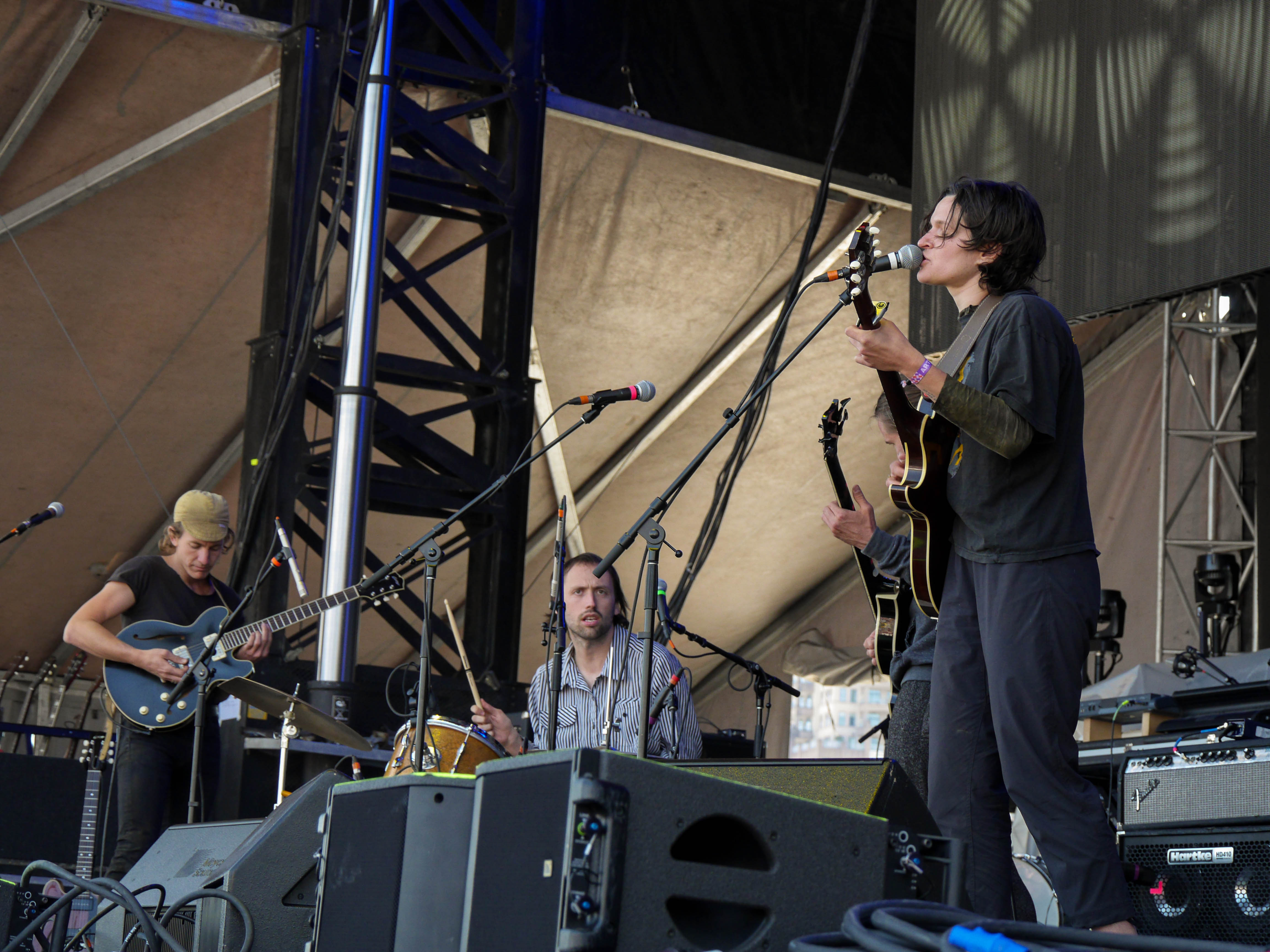
That matters because folk and traditional music is usually carried by people, not machinery. The National Endowment for the Arts’ folk and traditional arts overview is a useful reminder that these traditions often thrive on modest but steady support. When support is steady, the music stays public, social, and alive. When it thins out, the scene gets quieter fast.
Why local artists matter
Local musicians do more than provide a nice night out. They help define what a place sounds like. They carry songs, stories, and traditions forward in a way that feels immediate and personal. In Cincinnati, that means the folk scene is not just entertainment; it is part of the city’s shared memory.
There is also a practical side. When people buy tickets, records, or shirts, money stays close to the artists who made the work. That helps cover rehearsal space, strings, gas, recording costs, and the unglamorous life admin that follows every show. Applause is lovely, but rent prefers payment.
Ways to support local musicians
| What you can do | Why it helps | Easy first step |
|---|---|---|
| Attend a show | Tickets put money in the room and build a real audience | Pick one concert this month and bring a friend |
| Share their work | Posts, event listings, and word of mouth raise visibility | Repost one flyer or tag one musician you enjoyed |
| Buy music and merch directly | Direct sales usually help artists most | Look for a release page or merch table after the set |
| Volunteer your time | Events run better when the loading, seating, and cleanup jobs are covered | Offer one shift at a festival, house concert, or fundraiser |
| Offer a useful skill | Photography, design, sound help, and bookkeeping all save artists time | Send a simple message with one concrete thing you can do |
If an artist sells music through Bandcamp for Artists, that is often one of the cleanest ways to support them directly. Buy the album, grab a track, or leave a note when you can. Quiet support counts too.
For volunteer-heavy events, a work order management software builder can help a small team keep assignments, gear moves, and follow-up tasks from disappearing into three different inboxes. Nobody needs a spreadsheet scavenger hunt on show day.
Another simple habit: show up early and stay for the whole set. Early arrival helps the room settle, and staying until the end tells the artist their work is worth your full attention. That is a small thing, but small things add up when a community repeats them.
What community support changes
When people support local folk musicians consistently, the effects spread. Artists get more visibility, more confidence, and more chances to book the next room. Venues get better nights. Audiences get a stronger habit of gathering around live music instead of letting it become something they only remember they loved later.
The National Council for the Traditional Arts has spent decades showing how live traditional arts depend on audiences, presenters, and community partners as much as they depend on performers. That is the part people sometimes miss: a music scene is not a backdrop. It is a network.
And once that network is healthy, the benefits are easy to feel. People meet neighbors. Young musicians get a reason to keep practicing. Older listeners hear songs they know in a new room and remember why they loved them in the first place. A scene becomes a scene when people return.
A simple place to start
You do not have to do everything. Pick one action and repeat it. Attend one concert. Share one post. Buy one album. Volunteer for one shift. The habit matters more than the grand gesture.
If you want a little more context about this site and its mission, read the About Cincinnati Folk Life page. If you have a question, a suggestion, or an idea for getting involved, use the Contact Us page. That is usually where a practical next step begins.
Supporting local folk musicians does not need to be complicated. Show up, pay fairly, share generously, and keep the music in motion.