I keep a simple rule for a good folk night in Cincinnati: follow the room, not just the headline. The right venue can make an acoustic set feel intimate, turn a roots bill into a shared conversation, and make a familiar song land like it was written for the block you are standing on. Folk music is at its best when the room knows how to listen.
When people search for a guide like this, they are usually asking the same few questions: Where will the sound feel close enough to matter? Which places still book singer-songwriters, roots sets, or Americana nights? Where can I park, get a drink, and stay for the whole show? And which rooms welcome a first visit without making you feel like you missed a secret handshake? As Robert Fripp put it, “The role of the audience is as necessary to the musical event as is the role of the musician.”
That question matters in Cincinnati because the folk scene still lives in real places, not just in playlists. Visit Cincy keeps a current guide to the city’s small live music rooms, and the Queen City Balladeers show how a weekly folk calendar can stay active when a community keeps showing up. For a better sense of the site behind this guide, you can also read About Cincinnati Folk Life. For a look at the rooms and organizations that help keep live music moving, start with the local guides at Visit Cincy and Queen City Balladeers.
For a plain-language definition of the genre, Britannica’s overview of folk music is a useful reference when you want the broad shape of the tradition before choosing a venue.
By the end of this article, you will have a practical map of ten Cincinnati-area venues where folk, roots, Americana, bluegrass, and acoustic sets tend to fit naturally. I will also walk you through what each room feels like, what kind of crowd usually shows up, and what to expect if you are planning your first night out.
How I chose these venues
I did not pick these rooms because they are the loudest or the trendiest. I picked them because they make sense for folk listeners. A good folk venue usually does one or more of the following: keeps the crowd close to the stage, books acoustic or roots-friendly acts, has a history of community-based programming, or offers a setting where lyrics actually carry.
I also tried to keep the mix useful. Some of these places are formal theaters. Some are bars with serious music calendars. Some are outdoor civic spaces that work well for summer shows. Some are almost purpose-built for the kind of attention folk music asks for. That variety matters. Not every show needs the same kind of room, and not every listener wants the same kind of night.
If you want the short version, here is the practical filter I used:
- Listening matters: the room has to support words, not just volume.
- Live music is normal here: these venues regularly host shows, not only one-off events.
- The crowd fits the music: folk and roots sets do best where people still pay attention.
- The night feels manageable: food, drinks, and parking should not become the whole story.
What the folk scene is really asking for
Before I get to the list, it helps to define a few terms. Folk nights can look casual from the outside, but the language around them still carries real meaning.
| Term | What it means | Why it matters in Cincinnati |
|---|---|---|
| Folk | Community-based songs and acoustic traditions passed along by performance and memory. | Fits a city where songs have always moved through neighborhoods, churches, and civic spaces. |
| Roots | A broader umbrella for traditional and tradition-inspired music. | Helps explain why the same room may host folk, bluegrass, Americana, or singer-songwriters. |
| Americana | Modern acoustic roots music that blends older styles with newer songwriting. | Describes much of the current live music calendar in the city. |
| Listening room | A venue where the audience is expected to hear, not just hang out. | Often the best setup for a lyric-driven set. |
| Open jam | An informal gathering where musicians share songs before or between planned sets. | Common around coffeehouse and folk-community events. |
That is the key idea behind this guide: I am not looking for a single perfect folk venue. I am looking for a set of rooms that let the music breathe in different ways.
For a fast overview, the table below gives you the feel of the list before you start planning an evening.
| Venue type | What it offers folk fans | Best first-time use |
|---|---|---|
| Coffeehouse / listening room | Quiet attention, storytelling, and a close connection to the artist. | The Leo Coffeehouse. |
| Historic theater | Great acoustics and a sense of occasion. | Music Hall or Woodward Theater. |
| Neighborhood bar stage | Friendly, unpolished, and close enough to feel personal. | MOTR Pub, Northside Tavern, or Stanley’s Pub. |
| Public outdoor space | Easy entry, wide crowds, and a good summer-night energy. | Fountain Square or Washington Park. |
1. The Leo Coffeehouse
If I had to choose one place that feels most like a folk listening room, I would start with The Leo Coffeehouse. Sponsored by the Queen City Balladeers, it has the feel of a place that values songs, not noise. The format matters here: the evening often begins with a music circle or jam, then moves into a scheduled concert. That structure gives the room a gentle rhythm and makes the night feel shared before the featured set even begins.
What I like most about The Leo is the tone. This is a place for people who actually want to hear the lyrics. The crowd tends to care about the music itself, and that changes the energy in a useful way. If you are new to Cincinnati folk music, this is one of the least intimidating starts you can make. It feels welcoming without feeling casual in the wrong way.
What to expect: A Sunday-night folk tradition, voluntary donations, a listening-first audience, and musicians who usually have something to say between songs. If you want the most direct path into Cincinnati folk culture, this is probably it.
2. Southgate House Revival
Southgate House Revival is one of the clearest examples of a room that can hold intimacy and scale at the same time. Housed in a historic Newport church, it has the kind of atmosphere that makes even a straightforward acoustic set feel more vivid. The venue also hosts entertainment throughout the week, so it does not feel like a special-case room that only wakes up for one genre. It feels alive.
For folk fans, the appeal is simple: the building itself adds texture. A song about travel, memory, or loss lands differently in a historic space with stained glass and old wood. That is not a trick. It is just good room design for a genre that depends on atmosphere. I would point first-time visitors here if they want a show that feels memorable before the first note is even played.
Read the venue’s current listings on Southgate House Revival before you go, because this is the kind of place where the calendar matters as much as the address.
3. Cincinnati Music Hall
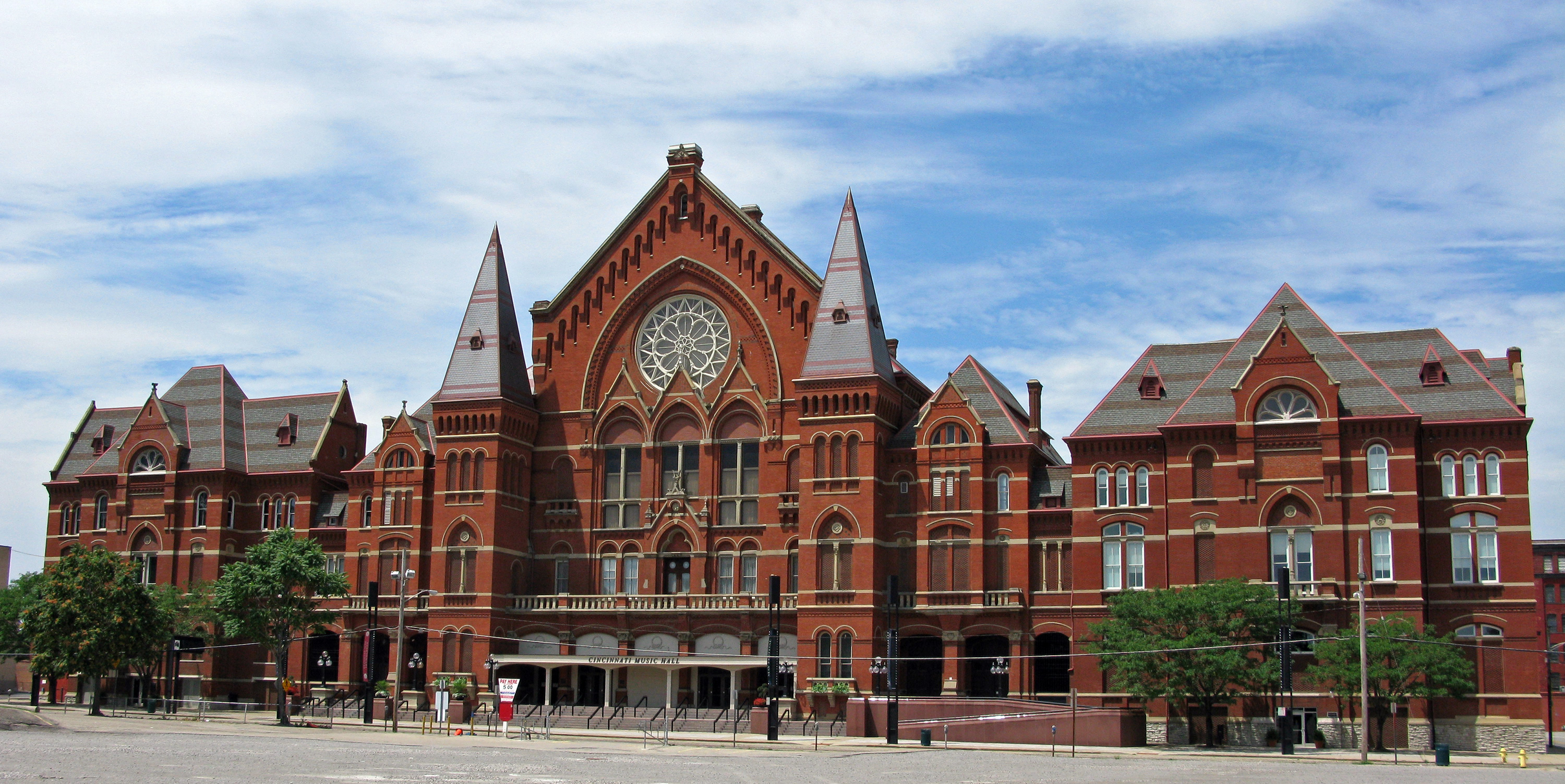
Music Hall is the grand stage on this list, and I would not leave it out just because it is formal. Folk music does not only belong in coffeehouses and bars. It also belongs in great rooms with good acoustics, especially when the performance leans toward concert presentation, crossover programming, or a special touring stop. Music Hall gives a folk listener the chance to experience the music with a sense of occasion.
The best thing about Music Hall is that it reminds you Cincinnati still has public spaces built for listening. The building’s architecture, scale, and institutional history all contribute to that feeling. If you want a night that feels polished, clear, and slightly ceremonial, this is the room I would choose. It is especially good for readers who want their first folk outing to feel elegant rather than scrappy.
The official venue information at Cincinnati Arts is the best place to check before planning a visit.
4. Woodward Theater
Woodward Theater sits in that sweet spot between historic character and modern flexibility. It is an OTR room that can handle concerts, events, film, and private bookings, which means it is comfortable shifting tone without losing its identity. Folk and Americana shows tend to work well in rooms like this because the space feels intimate enough for storytelling but large enough to give the music room to move.
What makes Woodward useful for folk fans is the sightline and sound balance. You can feel close to the stage without being packed into a tiny corner, and that middle ground is often ideal for singer-songwriters or roots groups with dynamic arrangements. It is the kind of venue I recommend when someone says, “I want a real show, but I do not want a giant arena night.”
For current event listings, see the theater’s own site before you head out. The room is versatile, so the calendar changes often.
5. MOTR Pub
MOTR is one of the best examples of a neighborhood room that still knows how to treat live music as the main event. The setting is casual, the stage is close, and the whole place has a lived-in charm that suits folk, Americana, indie, and other acoustic-adjacent sets. If you want the show to feel like it is happening with you instead of at you, MOTR has that effect.
I would call this a good choice for readers who want a slightly rougher edge without losing warmth. It is not polished in the Music Hall sense, and that is exactly why it works. Folk music can benefit from a little friction around the edges. It keeps the night from feeling overmanaged. If a song can survive a bustling barroom, it can survive almost anything.
Visit Cincy currently describes MOTR as one of the city’s go-to small live music rooms, and that is a fair read. It is easy to pair with a casual dinner, a late drink, or a neighborhood walk.
6. Northside Tavern
Northside Tavern has the kind of identity that makes local musicians comfortable and regulars loyal. The venue’s live music calendar is broad, but the room itself is especially friendly to original music and stripped-down sets. That matters for folk listeners because a smaller room with a regular music habit usually ends up supporting acoustic and roots acts naturally, even when the bill is not labeled “folk” from top to bottom.
What I like here is the combination of informality and consistency. You do not have to dress for the room, and you do not have to decode the vibe. It is a straightforward neighborhood venue with a musical pulse. If you enjoy the sort of night where you discover a new artist because you happened to stay for one more song, this is a strong pick.
What to expect: craft beer, a local crowd, and a room where the difference between a casual bar set and a real performance is usually the listener’s attention.
7. Stanley’s Pub
Stanley’s Pub is the kind of place that survives because the music matters to the neighborhood. It has been a long-running live music room, and that longevity tells you something important: people keep coming back. For folk fans, that usually means a room with enough character to support original music without trying to dress it up as something else.
This is a good venue for readers who want a smaller, more grounded night. The stage is close, the atmosphere is practical, and the audience usually comes ready for live music rather than as an afterthought. That does not mean the room is stiff. It means the room understands what it is there for. I respect that in any venue, but especially in one that might host a singer-songwriter set one night and something louder the next.
If you are building your own map of Cincinnati folk places, Stanley’s belongs on it because it keeps showing up where local music needs a home.
8. Arnold’s Bar & Grill
Arnold’s is one of the easiest places to recommend when someone wants live music with dinner, conversation, and a sense of Cincinnati history. The venue’s own music page makes the pitch plainly: live music every night, with Americana, jazz, and bluegrass in the courtyard through the year. That combination is almost perfect for readers who like roots music but also want a place where the evening feels easy to manage.
I would especially recommend Arnold’s to someone who wants a friendly first visit. The food helps. The history helps. The regular music schedule helps. But what really makes it work is that the venue understands how to be a tavern and a live music room at the same time. That is more valuable than it sounds. Many rooms can host a show. Fewer can make the whole night feel coherent.
Check the venue’s current music calendar at Arnold’s Bar & Grill if you want a night that combines a meal with a reliable live set.
9. Fountain Square
Fountain Square gives the folk listener something different: a public downtown stage where the crowd is part of the atmosphere. It is not the most intimate room on this list, and that is not a flaw. It is an advantage when you want a summer evening, a free show, or a place where friends can drift in and out without the night becoming a logistical puzzle. For acoustic sets, singer-songwriters, or festival-style programming, the square can feel lively in exactly the right way.
I think of Fountain Square as a venue for people who want music in the middle of the city rather than hidden behind a door. It is a good bridge venue for newcomers because it lowers the barrier to entry. You can listen, eat nearby, people-watch, and decide whether you want to stay for the whole set. Folk music has always benefited from public spaces like that.
When the weather is good, the square becomes one of the easiest places to fold live music into an ordinary evening.
10. Washington Park
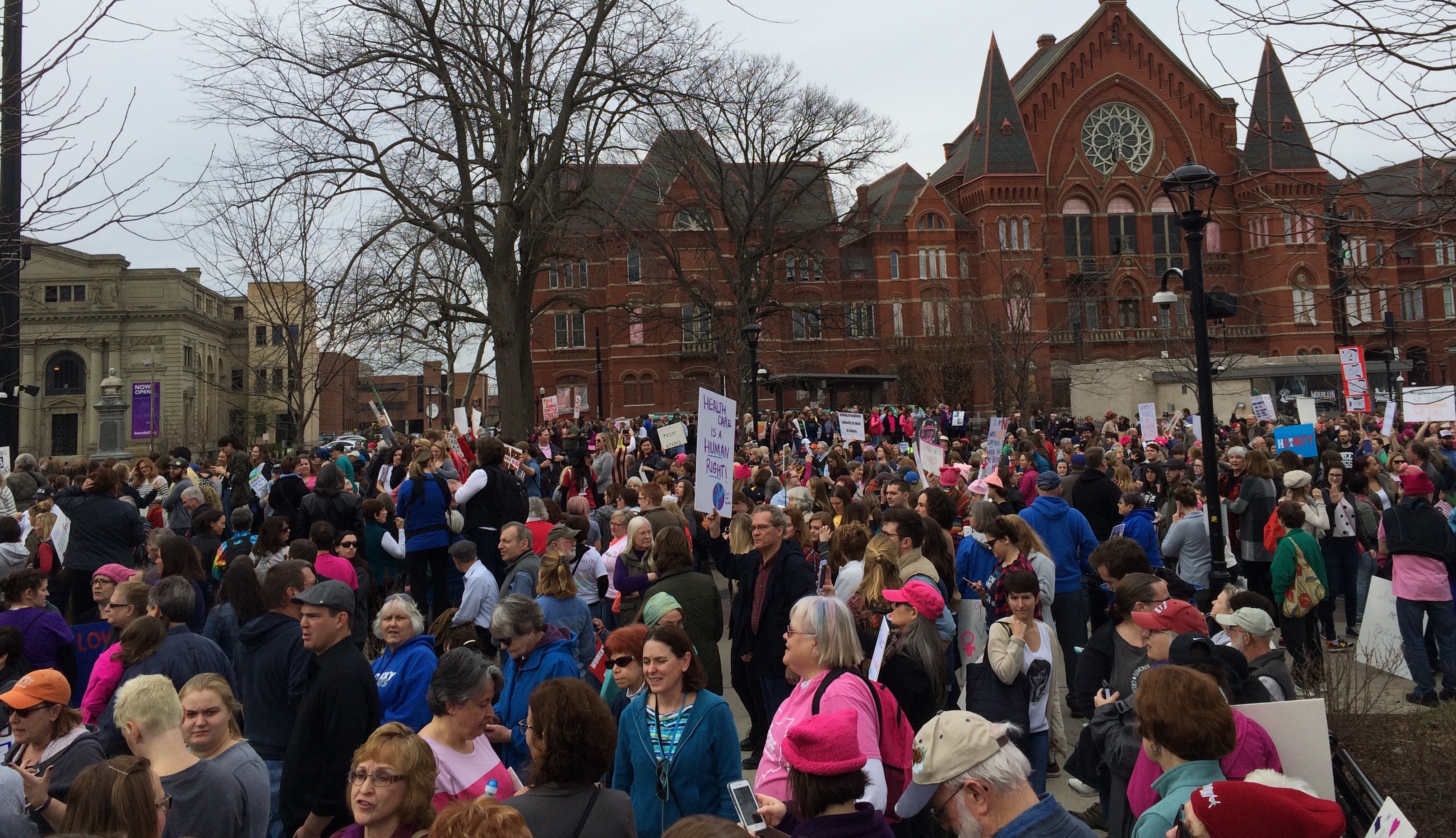
Washington Park is one of the most useful outdoor stages in the city for people who like their live music with a little open-air room around it. The park sits in the middle of a busy neighborhood, so the night can feel like a civic gathering rather than just a concert. That works beautifully for folk-adjacent events, summer concerts, and community programming. It also works for families and casual listeners who do not want the night to revolve entirely around a bar or ticketed hall.
The image below gives you a sense of the setting. Washington Park is not trying to be a coffeehouse listening room. It is trying to be a public place where music belongs in the same way benches, paths, and nearby restaurants belong. That makes it a strong choice when the weather is right and you want your music with a little space to breathe.
What I would expect at each kind of venue
Even though the list includes ten rooms, the actual experience usually falls into one of four patterns. Knowing the pattern can keep the night from surprising you in the wrong way.
- Listening rooms like The Leo Coffeehouse usually reward quiet attention and arriving on time.
- Historic theaters like Music Hall and Woodward Theater usually give you better acoustics and a more formal crowd.
- Bars with music like MOTR, Northside Tavern, Stanley’s, and Arnold’s usually feel looser, louder, and more social.
- Public outdoor spaces like Fountain Square and Washington Park usually work best when you want a low-pressure, shared experience.
If you are choosing between them, ask yourself one simple question: do I want to listen closely, or do I want to drift in and let the night build around me? Both are valid. The better choice depends on the evening you want, not on which venue sounds more impressive on paper.
Tips for a better folk night
These are the small things that make a live music evening smoother. None of them are dramatic, but they save people from the usual small annoyances.
If you are the person keeping a venue’s recurring shows and inquiry forms organized, a web app generator can be a practical way to keep the back office from becoming the loudest room in the building.
- Check the calendar the same day you go. Folk and roots rooms change quickly, especially small venues.
- Arrive early for the best seat or easiest parking. Small rooms fill faster than people expect.
- Bring some cash if the venue uses donation jars, merch tables, or cover at the door.
- Read the room. If the venue is a listening space, give the songs the quiet they are asking for.
- Stay for the second act when you can. That is often where the best local discovery happens.
One more practical tip: if you are going with someone who is not already a folk fan, start with a room that has food, easy parking, or a built-in casual feel. That lowers the friction. People rarely fall in love with a scene because someone made the logistics complicated.
Conclusion
Cincinnati has more than one folk story, and that is what makes the scene worth exploring. Some nights belong in a church-like listening room. Some belong in a tavern courtyard. Some belong on a public square where strangers become a temporary audience together. The best venue is the one that fits the kind of listening you want to do.
If I were helping a friend plan their first run through the city, I would suggest starting with The Leo Coffeehouse for the purest folk experience, Southgate House Revival for atmosphere, and either Arnold’s or Washington Park for a night that feels easy and inviting. After that, I would let the calendar guide the rest. That is usually how a scene reveals itself anyway – one room at a time.
If you want to keep going, you can learn more about the site on About Cincinnati Folk Life or use the Contact Us page to share a venue tip, a calendar note, or a story from a recent show. Those small details are often what keep a music community honest and useful.
Key takeaways:
- Cincinnati supports folk music through a mix of listening rooms, neighborhood bars, theaters, and civic outdoor spaces.
- The Leo Coffeehouse is the clearest pure folk pick, especially for listeners who want a quiet room and a community feel.
- Music Hall, Southgate House Revival, and Woodward Theater are strong choices when the setting itself should feel part of the performance.
- MOTR Pub, Northside Tavern, Stanley’s Pub, and Arnold’s Bar & Grill are especially useful for casual, roots-friendly nights out.
- Fountain Square and Washington Park make folk music feel public, open, and easy to join.
- The best folk night is usually the one where the room matches the kind of listening you want to do.