Introduction: when a song tells the joke, the truth, and the family history
Folk music is never just background noise. It is the storytelling engine that sneaks up with a chorus, grabs your sleeve, and says, “Oh, by the way, here is the whole life story.” In Cincinnati, that tradition feels especially alive. The city’s river-crossing, neighborhood-by-neighborhood mix of cultures gives folk songs a lot to talk about: work, migration, longing, celebration, and the tiny disasters that make great verses.
Think of folk music as a good porch conversation with rhythm. The melody keeps things moving, but the story is what you remember on the walk home. Cincinnati’s scene has long made room for that mix of music and narrative, from local clubs and festivals to listening rooms where a performer can turn a three-minute song into a miniature theater piece. If you want a broader tour of what this site covers, start with the blog archive or learn more about Cincinnati Folk Life.
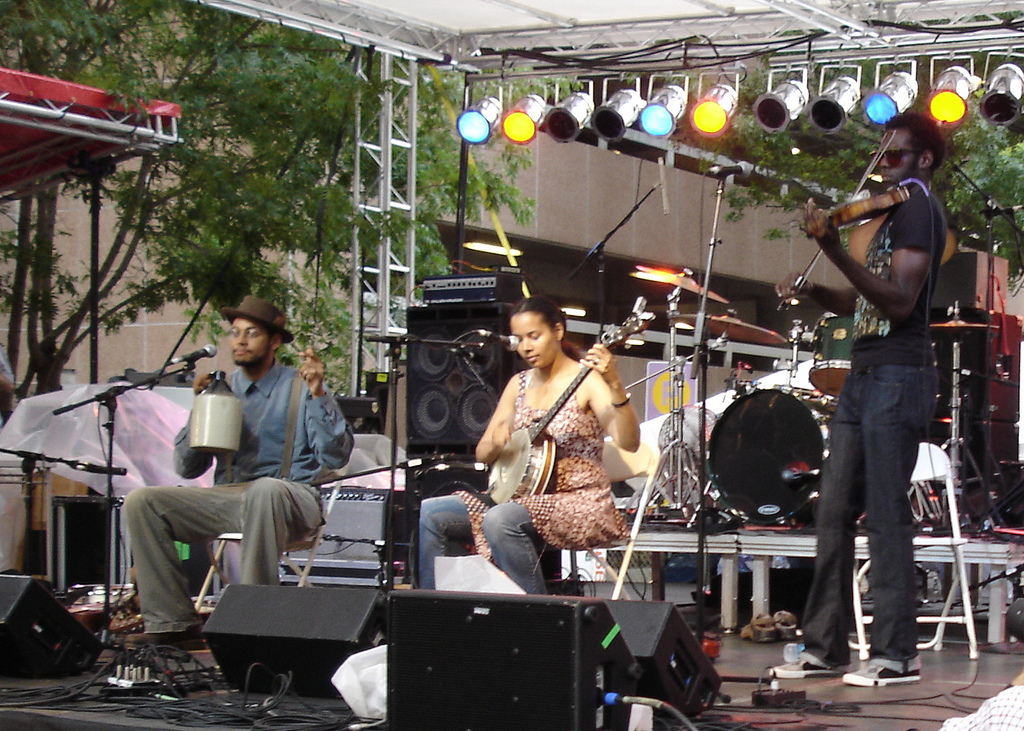
Examples from local musicians: the story is the instrument
One reason Cincinnati’s folk tradition stays memorable is that local musicians often treat the song like a shared kitchen table, not a lecture hall. The performance is the point, but the stories between verses are part of the music too.
- Ballad-style performers often build a scene quickly: a family road trip, a factory shift, a riverboat memory, or a neighborhood block that changed faster than anyone expected. The song becomes a postcard with better timing.
- Old-time and roots players may lean into regional history, using inherited tunes and fresh lyrics to connect present-day listeners with older traditions. That can make a set feel like time travel, minus the awkward goggles.
- Songwriters in smaller venues frequently weave in funny, specific details—an off-key uncle, a stubborn train whistle, a stubborn love story—so the audience hears a personal memory that also feels public.
That approach fits Cincinnati well. The city sits at a cultural crossroads, and folk music here often reflects that mix of movement and memory. If you want a broader historical backdrop, the Visit Cincy arts and culture guide and the King Records DX history of American music both show how deeply music and place are tied together here.
Why storytelling matters in folk music
Storytelling gives folk music its emotional GPS. Without it, a song can still be pretty, but it may not know where it is going. With it, the listener gets a map: who the song is about, what the moment felt like, and why the chorus lands like a well-timed lightning bolt.
In Cincinnati, those stories also help preserve community memory. A song about a street, a river crossing, a family tradition, or a neighborhood venue can hold onto details that would otherwise fade into “someone should write that down” territory. That is one reason folk music is so durable: it archives lived experience without sounding like an archive.
And because folk music is social by nature, stories do more than preserve the past. They create recognition in the room. One person hears their grandparent’s accent; another hears a jobsite joke; a third hears the exact emotional tone of moving away and pretending not to care. Suddenly, strangers are nodding like they all attended the same very specific camp.
For a quick primer on the broader tradition, the folk music overview on Wikipedia is a useful starting point, and the Library of Congress folk collection materials show how oral tradition and field recording have long helped preserve musical stories.
How to craft your own folk tales
You do not need to be a seasoned songwriter to write a folk tale. You just need a good ear for details and a willingness to let one honest moment do the heavy lifting.
- Start with a real scene. Pick one memory: a street corner, a family dinner, a gig, a late-night bus ride, or a Cincinnati summer storm that made everyone dramatic in the same direction.
- Choose one central feeling. Regret, joy, stubborn hope, homesickness, gratitude—pick one and let the song orbit it.
- Use concrete details. A cracked guitar case, a diner coffee refill, a train horn, a porch light, a wrong turn on the way home. The boring magic is in the details.
- Build toward a turn. Folk tales usually work best when something changes: a person leaves, returns, remembers, forgives, or finally admits the obvious.
- Leave room for the listener. The best stories do not over-explain everything. They leave a door open so the audience can walk in with their own memory.
If you want to test the idea, try this small experiment: write eight lines about one Cincinnati place you know well, then turn one line into a chorus. If the chorus sounds a little too plain, add one image from the senses and one honest detail. That is often enough to make a song feel lived-in instead of assembled out of polite adjectives.
Conclusion: Cincinnati keeps the stories singing
Cincinnati’s folk music tradition works because it treats stories as musical fuel, not decorative frosting. The songs carry local history, personal memory, and a healthy amount of human weirdness—the good kind. That combination makes the scene feel welcoming, durable, and very much alive.
So whether you are listening in a small room, reading about the city’s music legacy, or trying to write your own verse, the invitation is the same: notice the story inside the song. In Cincinnati, there is usually one waiting right under the melody, wearing work boots and humming back.