Overview: what traditional folk music still gives us
Folk music is built for memory. It carries stories, work songs, ballads, dance tunes, and community identity from one generation to the next. In Cincinnati, that matters because the city has long sat at a useful crossroads: river traffic, migration, church music, labor culture, and regional exchange all helped shape what people listened to, sang, and passed along.
Traditional folk music usually values acoustic instruments, shared repertoire, and direct storytelling over polish. That can sound quaint until you realize it is basically the original low-bandwidth distribution model. The songs survive because people keep performing them.
For readers who want a quick broader frame, the folk music overview and the Encyclopaedia Britannica entry on folk music are useful starting points. For Cincinnati specifically, the city’s music story is easier to understand when you look at how local venues and community events keep those traditions visible.
Profiles of innovative local artists
The most interesting part of any living scene is not whether it preserves tradition; it is how it edits tradition without losing the plot. Cincinnati artists keep doing exactly that. Rather than pretending the genre is frozen, they treat it as a toolkit.
Wild Carrot
Wild Carrot has been a familiar name in Cincinnati folk circles for blending roots material, tight musicianship, and a modern presentation that still respects older forms. The group’s work shows how a folk act can stay grounded in acoustic traditions while still sounding current.
Carolina Chocolate Drops
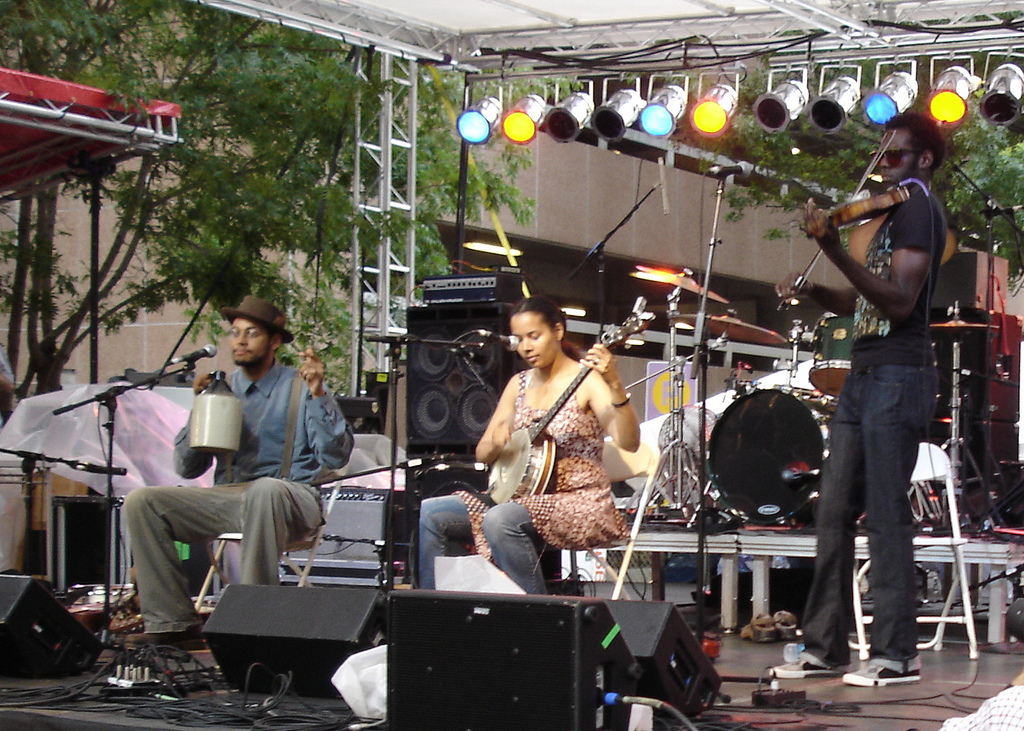
While not a Cincinnati-only act, the Carolina Chocolate Drops have performed in the city and remain an important example of how old-time string traditions can be reframed for modern audiences. Their approach helped many listeners hear banjo, fiddle, and vocal harmony as living forms rather than museum pieces.
Big Thief
Big Thief’s Cincinnati appearances reflect another side of the equation: a contemporary folk-informed band that uses intimacy, restraint, and strong songwriting to connect with a younger audience. The tradition survives when the next generation can hear itself in the music.
For readers who want to follow the local calendar and broader scene, the blog is the right place to keep an eye on new coverage of concerts, artists, and community stories.
The impact of technology on folk music
Technology has not replaced folk music. It has changed the workload. Artists now use streaming platforms, social media, lightweight recording tools, and direct-to-fan promotion to reach listeners without waiting for a gatekeeper to approve the guest list.
That shift matters in practical terms:
- Streaming helps local artists stay discoverable beyond a single neighborhood or venue.
- Social media turns a one-night performance into a reusable signal.
- Home and project-studio tools make it easier to record acoustic music well without a large budget.
- Online ticketing and mailing lists give smaller acts a direct line to their audience.
The tradeoff is obvious: more reach, more noise. That is not a tragedy; it is just the internet doing its usual job of making everything easier and harder at the same time.
For a useful outside reference on how digital distribution changed music discovery, see IFPI’s digital music resources, which explain how streaming and online listening have reshaped the industry. On the production side, Sound on Sound’s recording guidance for folk music offers a practical look at capturing acoustic instruments cleanly.
Where community support still matters
Technology can widen the audience, but it does not replace the local habit of showing up. Folk music still depends on rooms, volunteers, organizers, and people willing to buy a ticket instead of treating artists like background noise at a coffee shop.
That is why community support remains the real operating system for the genre. It looks like:
- attending local concerts and open-mic nights,
- sharing artist pages and event listings,
- buying recordings or merch directly,
- bringing younger listeners into the room, and
- supporting the organizations that book and promote the shows.
If you want to understand the organization behind the site and its broader mission, visit About Cincinnati Folk Life.

The future of folk music in Cincinnati
The future is not a mystery so much as a set of choices. Cincinnati’s folk scene will likely keep moving in three directions at once: preserving old songs, borrowing from adjacent genres like Americana and bluegrass, and using digital tools to reach audiences more efficiently.
The opportunities are clear. Younger artists can record faster, distribute faster, and collaborate more easily. The challenge is just as clear: if everything is optimized for speed, the music can lose some of the patience that makes it worth hearing in the first place.
The best-case future is a balanced one. Tradition keeps the genre honest. Innovation keeps it alive. And the city’s community keeps both from getting dusty.
Conclusion
Cincinnati’s folk music scene works because it does not treat tradition and innovation as opposites. The strongest artists respect the roots, use modern tools where they help, and still remember that folk music is supposed to be shared in public. The genre is not fragile. It just needs people to keep making room for it.
For more local music coverage and community context, explore the blog index and learn more about the organization’s work on the About page.