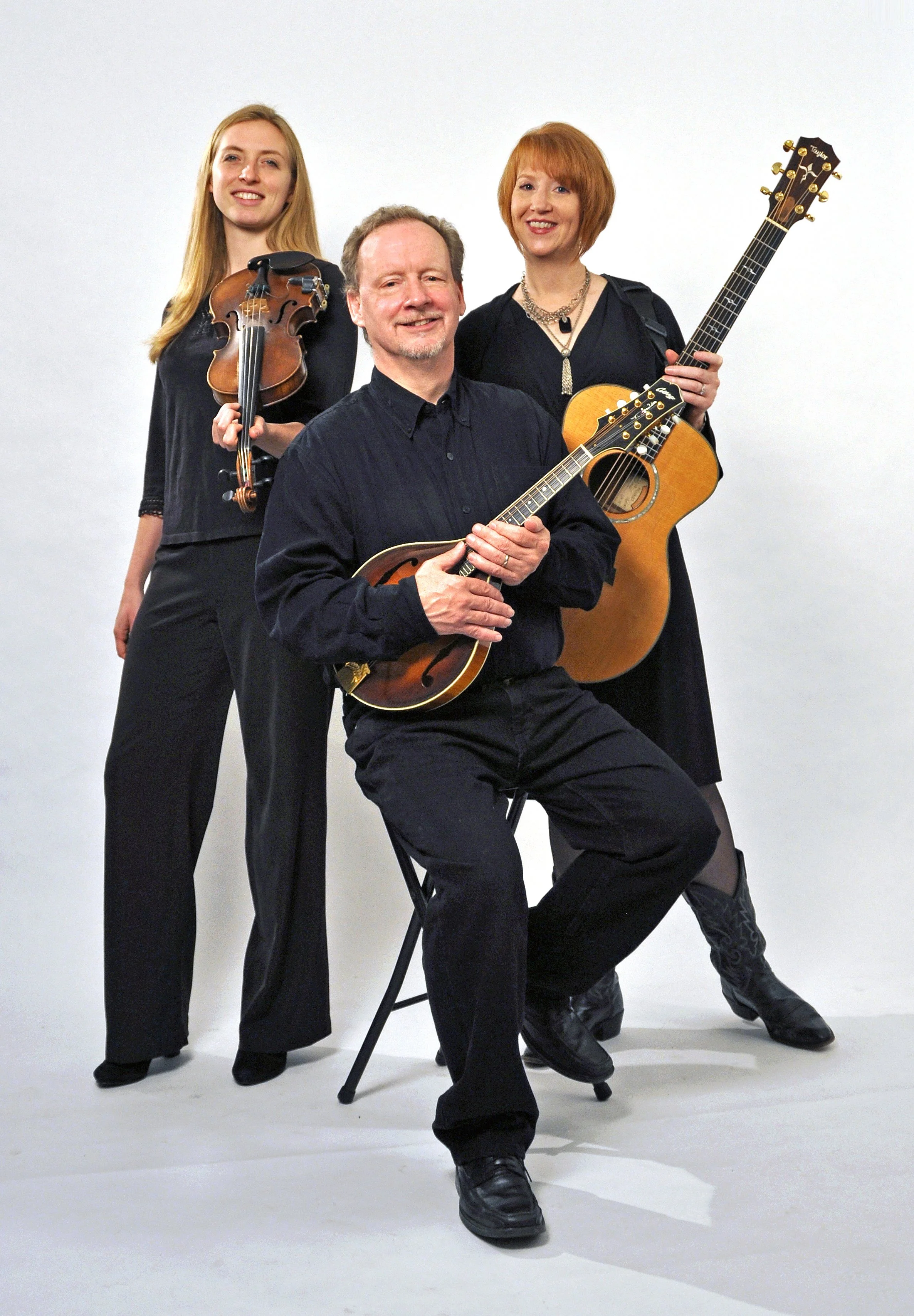
Can folk music help people feel better? That is the simple question behind a surprisingly useful idea: music is not just background noise for folding laundry or pretending to know the words at a singalong. It can shape mood, ease tension, and make a room feel less lonely.
If you have ever wondered why a crowd singing together feels different from listening alone, how acoustic music can change the tone of a gathering, or whether music actually helps with stress, you are in the right place. As the National Center for Complementary and Integrative Health notes, music can affect emotion, stress, and social connection; recent reviews have also continued to find benefits in music therapy contexts for anxiety and mood NCCIH’s music and health overview and a 2025 systematic review on anxiety both point in that direction.
That matters because mental well-being is often built in ordinary places: around a kitchen table, in a neighborhood hall, at a porch jam, or in a small room where people are listening closely. Folk music fits those settings naturally. It is participatory, story-driven, and usually close enough to the room that you can hear the breath between the lines.
In this article, I will walk through what current research says about music and well-being, why folk music has a special social effect, how Cincinnati’s live music culture keeps that tradition active, and a few practical ways to use folk music in everyday life without turning your living room into a self-help seminar with a banjo.

What do we mean by folk music and well-being?
Before we go further, a quick map of the terms helps. Folk music usually means music rooted in community tradition, storytelling, acoustic instruments, and shared performance. It is often passed along by ear and memory, not just by formal training. Mental well-being is broader than “feeling happy.” It includes stress relief, emotional balance, social belonging, and the sense that you are not entirely left alone with your brain on a Tuesday afternoon.
| Term | Plain version | Why it matters here |
|---|---|---|
| Music therapy | Structured use of music by trained professionals | Research on therapy helps us understand possible benefits, even when people are simply listening or singing socially |
| Active listening | Paying close attention to the melody, words, and feeling | It can slow the mind down and make music feel more grounding |
| Group singing | People singing the same song together | It often adds connection and shared energy |
| Acoustic setting | A room where instruments and voices stay close and natural | It tends to feel personal, human, and less overwhelming |
What current research says about music, stress, mood, and bonding
The evidence base is cautious but encouraging. The NCCIH explains that music can influence how we feel, how we respond to stress, and how we connect with other people. That does not mean every song works the same way for every person, and it definitely does not mean music is a cure-all. It does mean that music is a real factor in emotional life, not just a decorative one.
Recent systematic reviews continue to support that view. A 2025 review in eClinicalMedicine found evidence that music therapy can help reduce anxiety symptoms in studied settings, and a 2025 meta-analysis indexed on PubMed reported benefits for depression outcomes in randomized trials. Those are therapy studies, so we should not overclaim them as proof that a playlist alone can solve everything. But they do strengthen the basic idea that music can be a meaningful support for mood and stress music therapy and depression review.
One especially interesting point is that music is not only about the individual listener. It is also social. A group singing review in the European Journal of Public Health found positive mental health and well-being outcomes for adults with mental health conditions who participated in singing groups. That lines up with common sense too: when people breathe, listen, and sing in time, the room often feels less stiff and more human.
Why folk music has a special effect in community life
Folk music has a few built-in advantages when the goal is connection rather than performance for its own sake. First, it is usually easy to enter. Many folk songs are built around repeated choruses, familiar structures, and melodies that do not require a conservatory degree or a heroic amount of vocal confidence.
Second, folk music tells stories. That matters more than people sometimes realize. Story songs let listeners hear something about grief, work, hope, humor, migration, family, or place and think, “Ah yes, that is my cousin, my neighbor, or me after a long week.” Story is one of the fastest ways humans make meaning together.
- Singalongs: They lower the barrier between performer and audience.
- Acoustic sound: It often creates a calm, close atmosphere.
- Shared lyrics: A chorus gives people a place to join in, even if they only know half of it.
- Storytelling: Songs can make feelings easier to recognize and talk about.
- Memory: Familiar songs can bring back people, places, and comforting routines.
That combination of familiarity and participation is part of why folk music often feels supportive rather than performative. You do not need to “win” at listening. You just need to show up and pay attention.
Where Cincinnati fits into the picture
Cincinnati gives this conversation a real local home. The city has a long-running folk and roots-music community, and it continues to offer places where people can hear live acoustic music, gather with neighbors, and support performers in smaller settings. If you want a broader look at that live-music ecosystem, the CWF membership and events page is a good place to start, and the home page gives a quick sense of the organization’s public-facing focus.
For readers who like to connect the local scene to the larger city story, Cincinnati’s music culture is not only about concerts in big halls. It also shows up in neighborhood events, community programming, and listening rooms where the volume stays low enough for the songs to breathe. That is often the sweet spot for folk music: a room where the lyrics can land and nobody is trying to out-shout the fiddle.
To keep an eye on the wider regional conversation, I also recommend checking live calendars and arts pages from established local organizations. For example, Visit Cincy’s arts and culture guide is useful for seeing how the city frames music and cultural experiences, while the Queen City Balladeers site shows how active folk-centered programming can be in the area.
Practical ways to use folk music for well-being
You do not need to become a folk-music scholar to get something useful from it. A few small habits can make a difference in everyday life.
| Simple habit | How to try it | Why it may help |
|---|---|---|
| Create a folk playlist | Build a short set of calm, upbeat, and story-heavy songs | It gives you a reliable reset button for stressful days |
| Attend one live show | Pick a small venue, community concert, or folk gathering | Live music adds shared attention and social energy |
| Sing with others | Join a chorus, community sing, or informal group | Group singing can strengthen belonging and mood |
| Listen on purpose | Put away the phone for one song and follow the lyrics | Focused listening can slow the pace of a busy mind |
Start small. One song at breakfast is fine. Three songs on a walk is fine. A whole evening at a local folk set is also fine, if your calendar cooperates and your shoes are not staging a revolt.
If you want a practical next step, try pairing a listening habit with a local action. For instance, choose one favorite song, then look up a nearby performance calendar or contact a local organization through the contact page. That way the music stops being something you only consume and becomes something you can actually join.
Limits: what music can do, and what it cannot do
It is worth being clear here. Music can support mood, comfort, and connection, but it is not a substitute for professional mental health care. If someone is dealing with persistent anxiety, depression, trauma, or another serious concern, the right move is to reach out to a qualified clinician or trusted support resource.
In other words, folk music can be a companion, not a diagnosis or a treatment plan. That distinction matters. The best case is usually not “music fixes everything,” but “music helps make the day more livable while other supports do their job.”
Community-minded takeaway
Folk music still matters because it gives people a shared place to stand. It can lift mood, lower stress, and make a room feel friendlier, especially when the music is live and the audience is part of the experience. In Cincinnati, that spirit shows up in local venues, community events, and the ongoing work of organizations that keep folk culture visible and welcoming.
If this topic speaks to you, explore more of how to support Cincinnati Folk Life, see what is happening on the blog index, and keep an eye on CWF events. The easiest way to understand folk music’s value is still the oldest one: go where people are singing, listen closely, and notice how the room changes.
Key points at a glance
- Music can support stress relief and mood, according to current health research.
- Group singing and shared listening strengthen connection and belonging.
- Folk music is especially good at participation because it is story-driven and approachable.
- Cincinnati’s live folk culture gives the idea a real home through venues, events, and community organizations.
- Music helps, but it does not replace professional care when mental health concerns are serious.
Further reading: NCCIH music and health overview, group singing review, and the Queen City Balladeers for a local live-music connection.